Programme
DIGITAX Research Programme
The DIGITAX programme generated knowledge and evidence as well as delivered advice and support to governments and other stakeholders on overcoming challenges and leveraging opportunities at the interface of digital financial services (DFS), digital IDs, and tax.
Our robust, relevant, and cutting-edge research looked at:
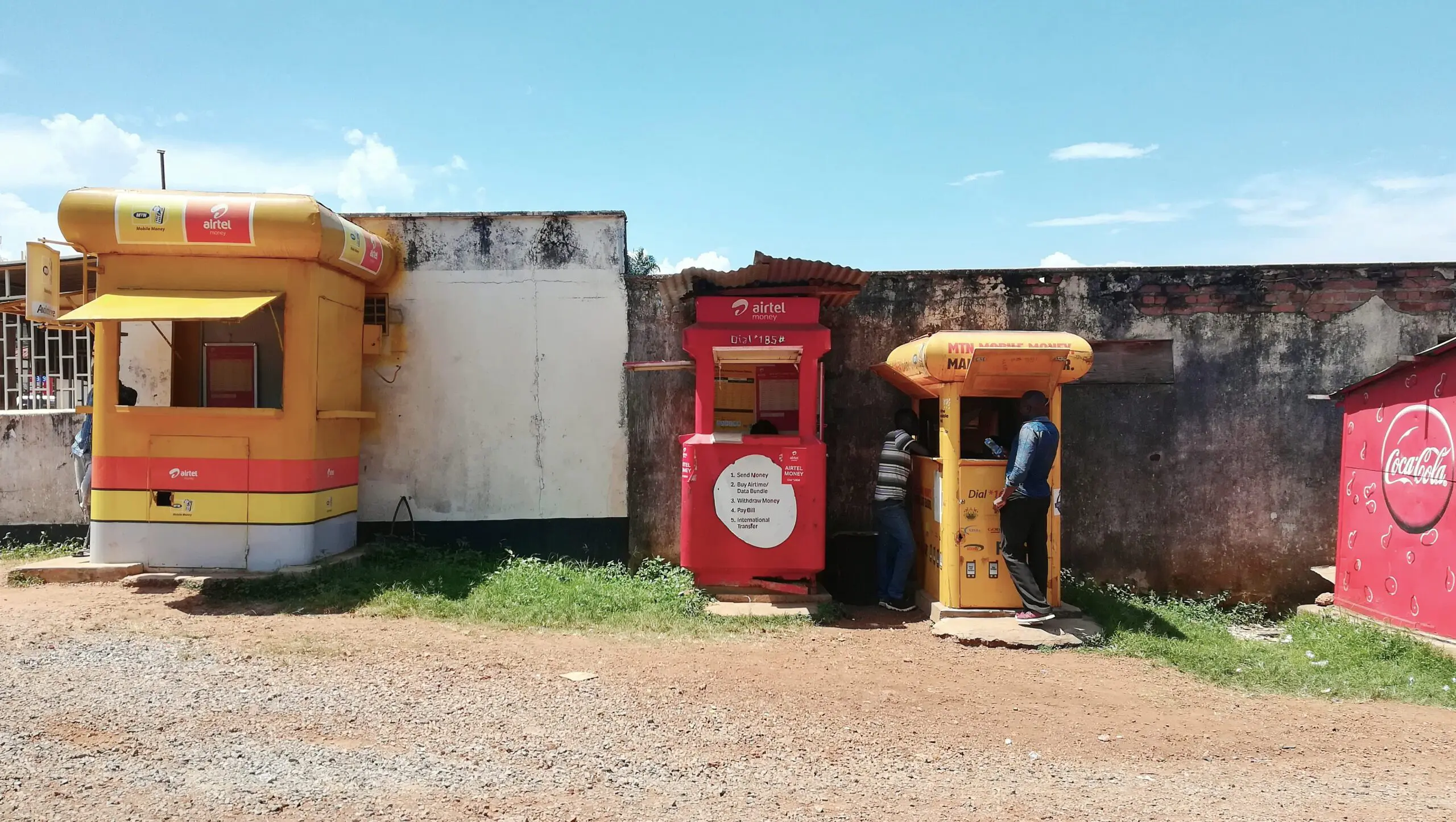
• the taxation of mobile money and other DFS, and;
• the digitalisation of tax systems across lower-income countries, with a particular focus on Africa.
DIGITAX, which ran from 2020 to 2024, was funded by the Gates Foundation.
Key Resources
Opinion and Analysis
How digital public infrastructure could transform tax administration in Africa
News
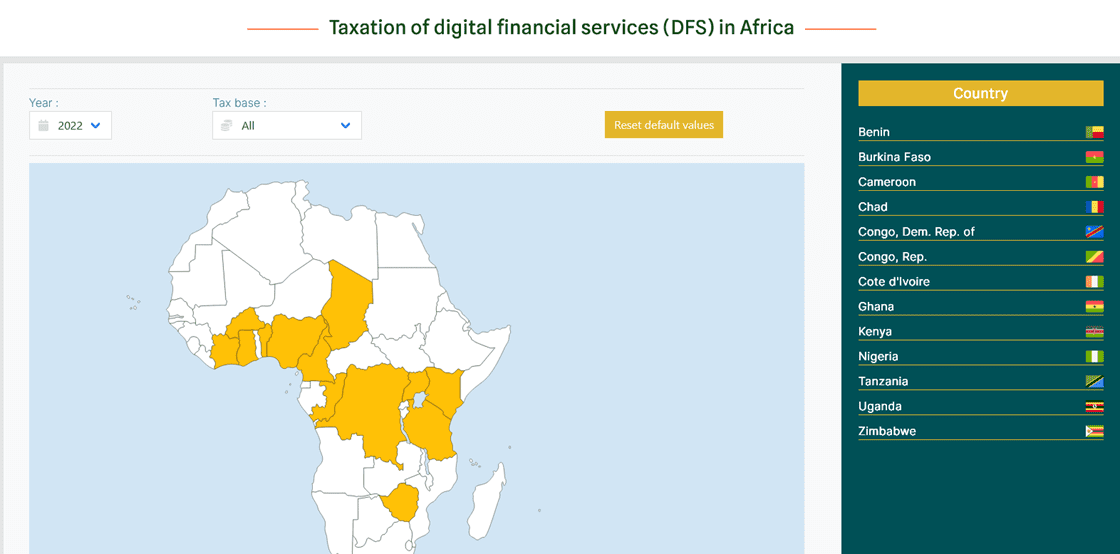
ICTD launches DFS TaxMap: A comprehensive visualisation tool on taxation of digital financial services in Africa
Publication
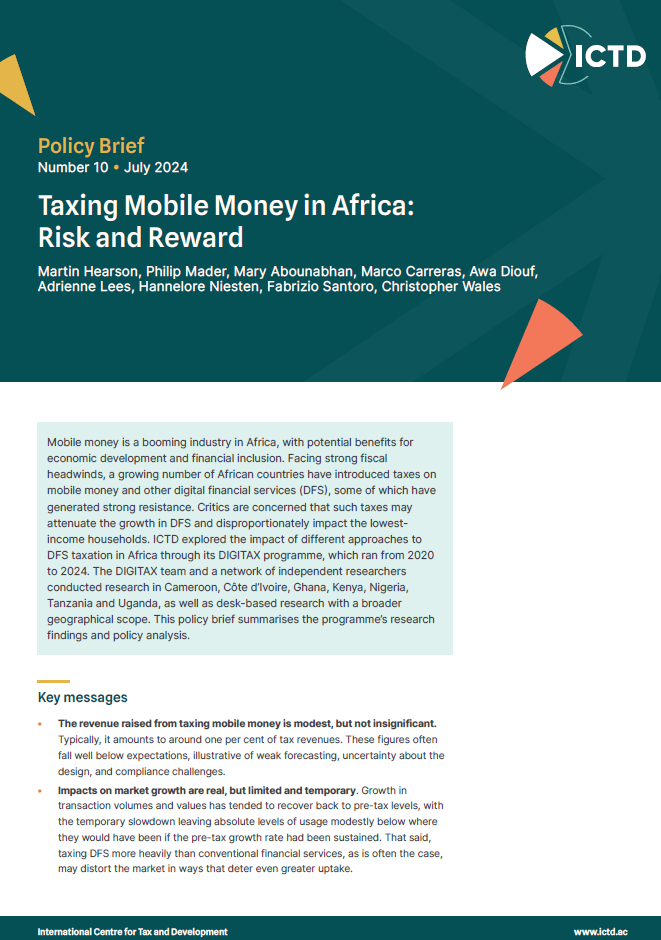
Taxing Mobile Money in Africa: Risk and Reward
DIGITAX Research Programme Library
Media coverage
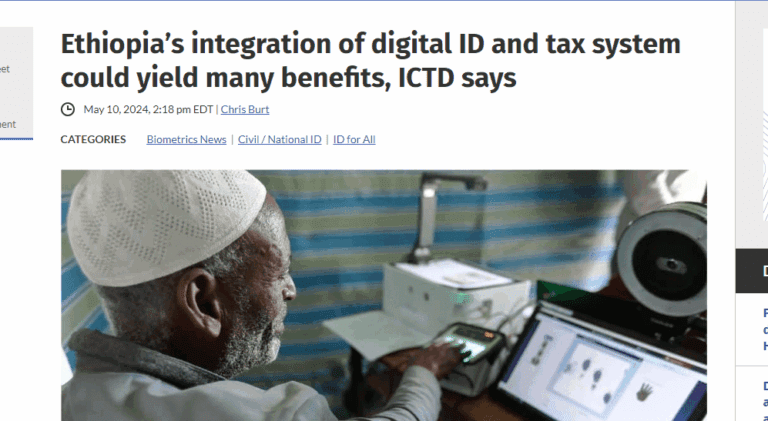
ICTD blog on digital IDs and tax administration in Ethiopia cited in media reports
Opinion and Analysis
Tax incentives for digital payments – Lessons for African tax administration organisations
Opinion and Analysis
Ethiopia’s national digital ID: A breakthrough for tax system transformation?
Fayda, Ethiopia’s new digital identification (ID) system, comes with big potential for the country’s tax administrations, which lose significant amounts…
Opinion and Analysis
Broadening the tax horizon through information: the power of third-party data for African tax administrations
It is fair to say that taxation cannot exist without information. To calculate taxes and enforce compliance, tax administrations need…
Media coverage
DIGITAX workshop on taxing mobile money garners media attention in Ghana
News
Insights on Ghana’s e-levy: What do we know nearly two years on?
News
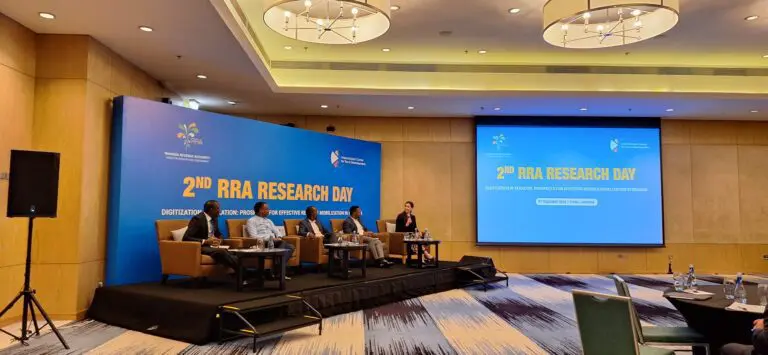
Leveraging Technology for Enhanced Tax Administration: Insights from the 2nd RRA Research Conference
On February 9, 2024, the Rwanda Revenue Authority (RRA) and the International Centre for Tax and Development (ICTD) co-hosted the…
News
What have we learnt about taxing mobile money in Africa? Martin Hearson and Awa Diouf share lessons from DIGITAX research programme
As more African governments turn to the growing digital financial services (DFS) sector – specifically mobile money – to help…
Opinion and Analysis
The digitalisation journey of tax administrations – Insights from the Network of Tax Organisations (NTO) Conference
In person
•
Timezone: UTC
Virtual
•
Timezone: Europe/London
Virtual
•
Timezone: Europe/London
Virtual
•
Timezone: Europe/London
Virtual
•
Timezone: Europe/London
Virtual
•
Timezone: Africa/Kigali
We are delighted to contribute to the 10th Annual Conference of the Economic Policy Research Network, Rwanda, which this year has been organised around the theme Boosting Economic Resilience to Economic Shocks. ICTD Research Director, Giulia Mascagni, has given welcome

Virtual
•
Timezone: UTC
The global digital public infrastructure (DPI) agenda is substantially informed by experiences from the Global North and South Asia. Africa has its own vast array of contributions to add to the debate. In a historic move, under India’s G20 Presidency

Virtual
•
Timezone: Africa/Dar_es_Salaam
Co-hosted by Tanzania Revenue Authority, the International Growth Centre (IGC), and REPOA, the inaugural International Conference on Tax for Growth aims to “bring together world-leading researchers and policymakers to discuss questions relating to enhancing domestic resource mobilisation and strengthening tax
In person
•
Timezone: Africa/Accra
Virtual
•
Timezone: Europe/London
At a time when many African countries are facing strong fiscal pressures, the rapidly growing digital financial services sector – in particular mobile money – is a natural source to which some have turned in search of tax revenue. But
In person
•
Timezone: Africa/Dar_es_Salaam
Virtual
•
Timezone: Europe/London
https://www.youtube.com/watch?v=JIT8OXnAYmA&ab_channel=InternationalCentreforTaxandDevelopment DIGITAX is delighted to announce the second webinar in DIGITAX’s e-levy series ‘The devil in the detail: Examining Ghana’s new e-levy from a policy design perspective’. There has been much debate around the implications of the e-levy since it