Programme
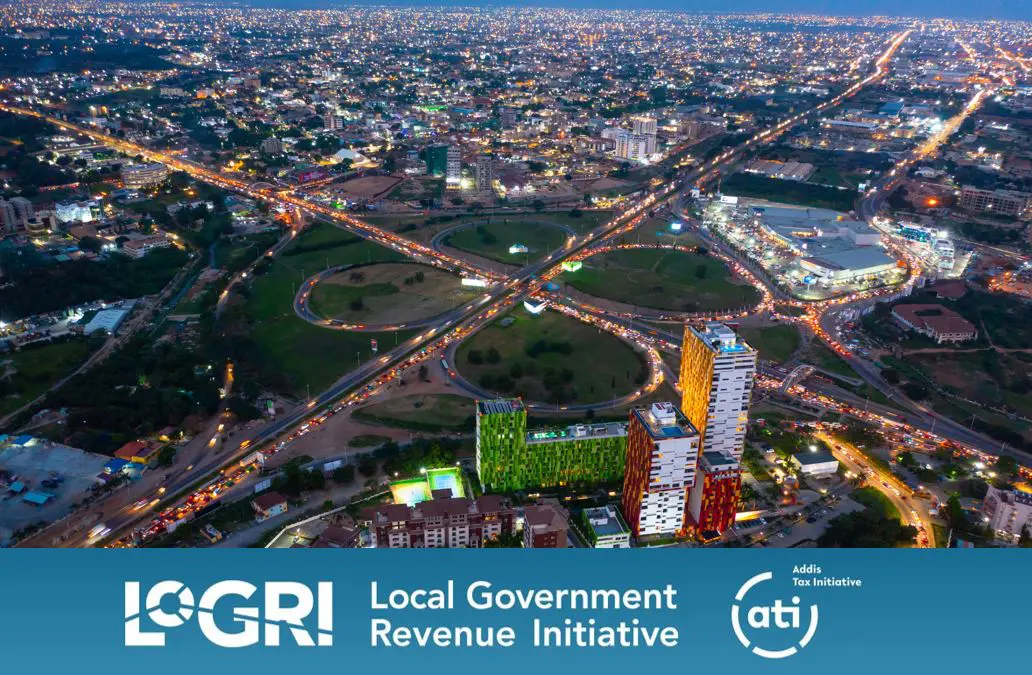
Local Government Revenue Initiative
Cities in the Global South need significant revenue to build infrastructure and provide local services. However, efforts to collect taxes, particularly on property, are often ineffective and inequitable.

LoGRI supports governments in raising local revenue more fairly and in ways that promote trust, transparency, and accountability. We do this by:
• Partnering with governments to provide hands-on support and advice
• Conducting collaborative, applied research to inform reform projects
• Developing operational tools, including technology solutions
• Delivering skills training to develop local capacity
We also engage with regional and international stakeholders on local financing issues, to share insights and shape policy. To learn more about LoGRI’s work, visit logri.org.
Key Resources
Publication
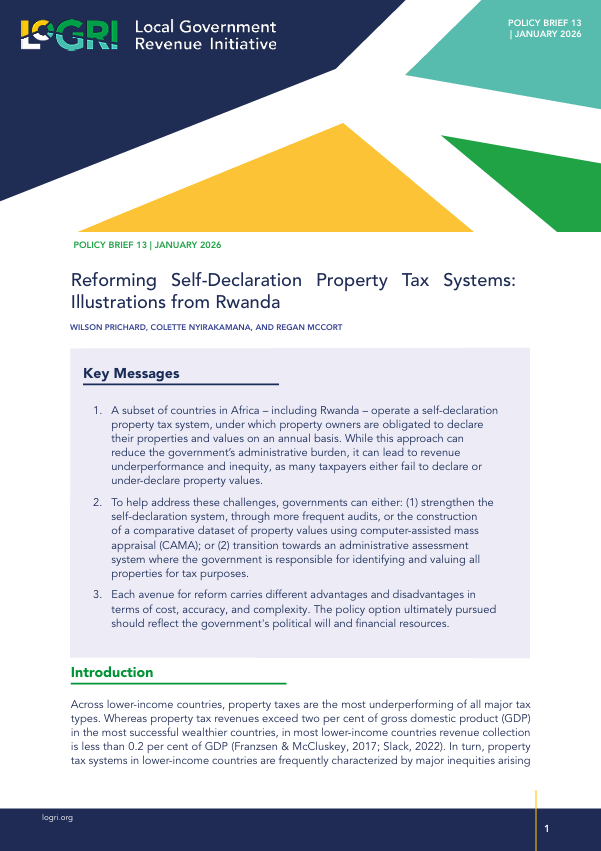
Reforming Self-Declaration Property Tax Systems: Illustrations from Rwanda
Publication
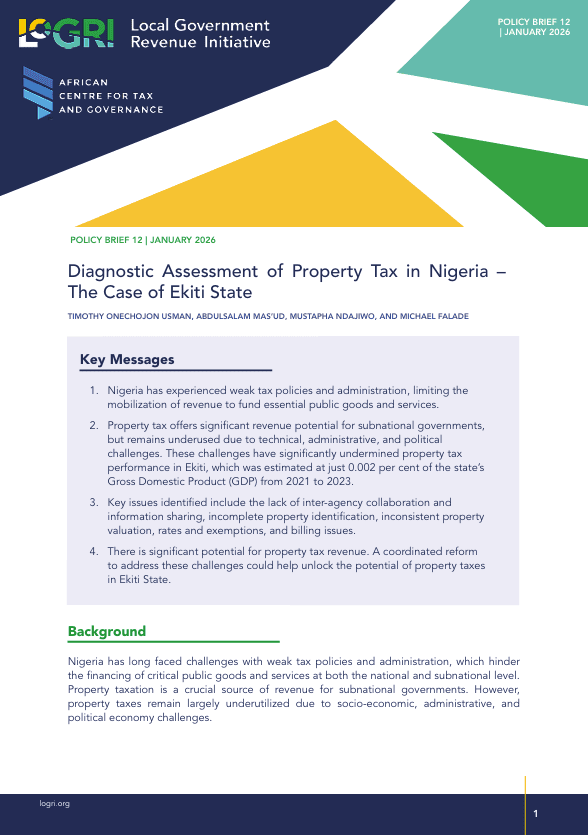
Diagnostic Assessment of Property Tax in Nigeria – The Case of Ekiti State
Publication
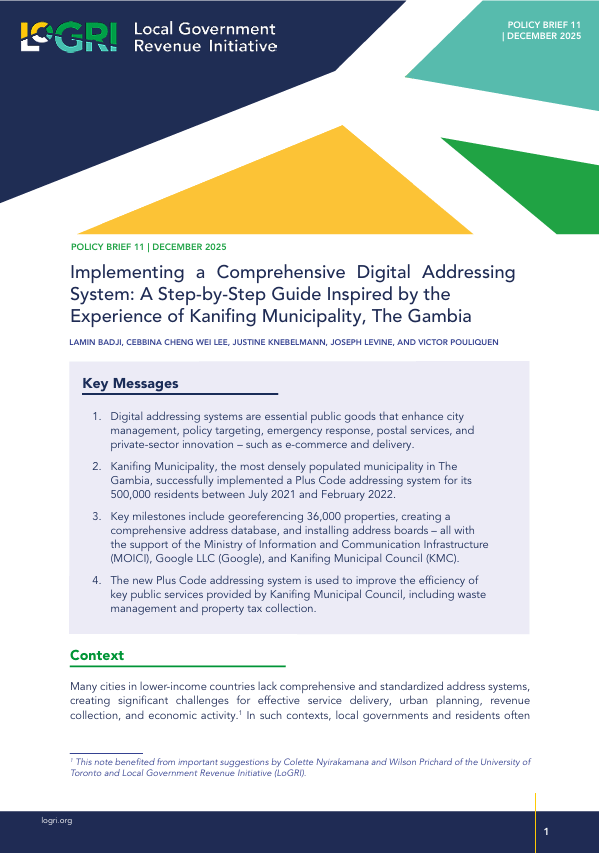
Implementing a Comprehensive Digital Addressing System: A Step-by-Step Guide Inspired by the Experience of Kanifing Municipality, The Gambia
Local Government Revenue Initiative Library
Opinion and Analysis
Developing and adopting new digital tools for property tax reform in Dakar, Senegal
In June 2021, eight Senegalese tax agents based in the fiscal centre of Pikine, the country’s second largest city, generated…
Opinion and Analysis
Strengthening property valuation for taxation in Dakar, Senegal
Property taxes offer a significant potential for developing cities in Africa, which crucially need revenues to fund local public services…
News
ICTD participates in World Bank Tax Conference
On September 24-25th, the World Bank held its second annual tax conference on the topic of taxing personal income and…
Opinion and Analysis
The Participation Dividend of Taxation in DRC and Beyond: Recent Evidence and Paths for Future Inquiry
One of the strongest arguments for investing in the tax capacity of developing countries is the supposed participation dividend of…
Opinion and Analysis
Insecurity underpins property rights in Lagos – no matter what class you are
Recurrent episodes of marginal communities being evicted from the waterfronts of Lagos have made global media headlines over the last…
Media coverage
ICTD mentioned in The Economist podcast
On July 2nd, The Economist’s podcast The Intelligence spoke about Freetown’s new property tax system which will raise up to…
Media coverage
ICTD work featured in The Economist
The Economist published an article on June 19 about Freetown’s new property tax system which will raise up to 5x…
Media coverage
Wilson Prichard blog published on African Arguments and republished to AllAfrica
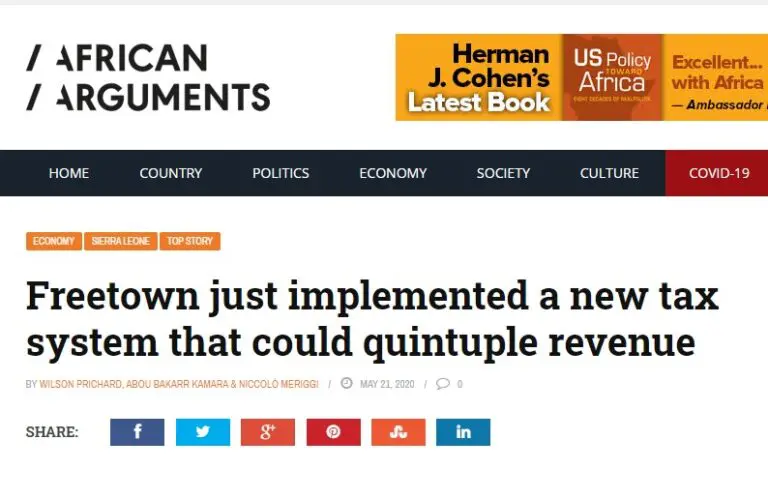
ICTD CEO Wilson Prichard’s blog “Freetown just implemented a new tax system that could quintuple revenue” co-authored with Abou Bakarr…
Opinion and Analysis
Freetown just implemented a new property tax system that could quintuple revenue
In the next few weeks, residents of Freetown are expecting to receive new property tax bills as part of a…
In person
•
Timezone: America/New_York
Virtual
•
Timezone: Africa/Kigali
We are delighted to contribute to the 10th Annual Conference of the Economic Policy Research Network, Rwanda, which this year has been organised around the theme Boosting Economic Resilience to Economic Shocks. ICTD Research Director, Giulia Mascagni, has given welcome

Virtual
•
Timezone: America/Detroit
Virtual
•
Timezone: Europe/Paris
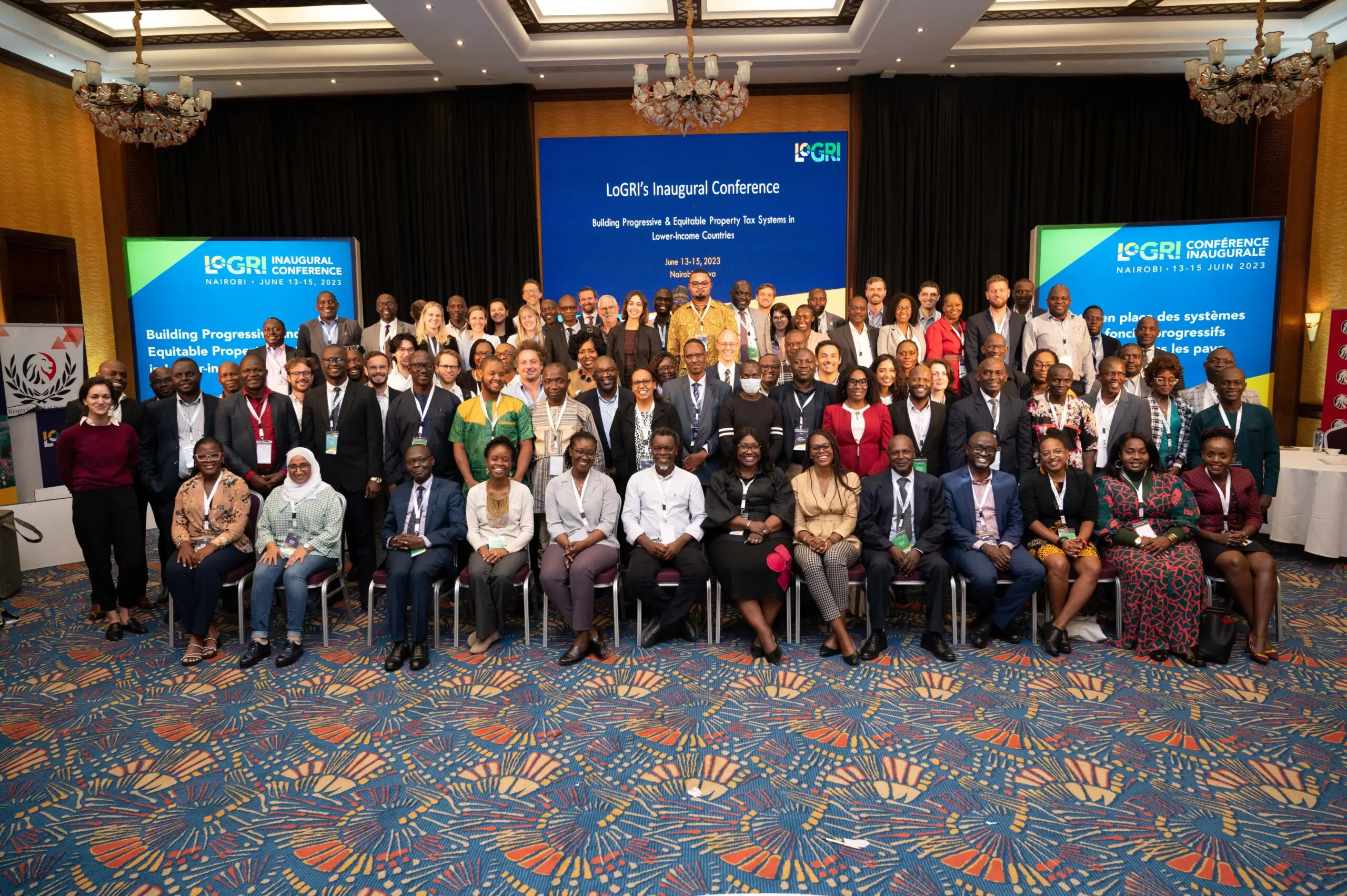
While property taxation constitutes a major revenue source for subnational governments, it remains one of the most underperforming in lower-income countries. This is but one example of how, in many countries, subnational governments’ revenue-raising efforts are frequently ineffective, inequitable, and
In person
•
Timezone: Africa/Nairobi
Virtual
•
Timezone: Europe/London
The Addis Tax Initiative (ATI), in partnership with the Local Government Revenue Initiative (LoGRI), is presenting a series of four workshops on policy design for effective property taxation in lower-income countries. The two-day workshop on “Strategies for Cost-Effective Property Valuation
Virtual
•
Timezone: Europe/London
The ICTD’s Executive Director Dr Wilson Prichard and Researcher Dr Colette Nyirakamana will be speaking at an upcoming webinar on property taxes organized by the World Observatory on Subnational Government Finance and Investment in collaboration with the German Cooperation. The
Virtual
•
Timezone: Europe/London
Unlike most sources of local revenue, responsibility for the different aspects of property tax administration in Africa is often split between central and local authorities. In many countries, central governments have, since the colonial period, retained responsibility for land titling,
Virtual
•
Timezone: America/New_York
Information technology (IT) holds great potential for improving property taxation: it can help accelerate property identification, digitalise and automate aspects of property valuation, facilitate payments by taxpayers, improve transparency, and strengthen data management. In practice however, the impact of new
Virtual
•
Timezone: Europe/Oslo
The Addis Tax Initiative (ATI), the Development Partners Network on Decentralisation & Local Governance (DeLoG) and the Norwegian Agency for Development Cooperation (Norad) cordially invite you to the jointly organised next webinar of the series on the role of subnational
Virtual
•
Timezone: Europe/London
Property valuation is essential for effectively mobilising property tax revenue. While it may seem straightforward in theory, in practice multiple administrative, legal, political, and financial challenges continue to limit effective property valuation across Africa. Dominant valuation methods have significant trade-offs
In person
•
Timezone: Europe/London
Africa is the fastest urbanising continent on the planet. In order to provide citizens with adequate public goods and services and invest in the required infrastructure, African cities need sufficient and sustainable revenues. Property taxation is equitable, and provides stable
Sign up to the LoGRI newsletter
Stay up to date with the latest research, events, projects and insights into global trends in property taxation.