
Research Theme
Digital Public Infrastructure (DPI) offers transformative opportunities to improve tax systems in lower-income countries by enhancing efficiency, transparency, and inclusion. However, its success relies not only on technological adoption, but also on thoughtful reform sequencing, institutional readiness, and inclusive system design.
Our research explores three interconnected dimensions of DPI and taxation:
• Strengthening the Impact of DPI on Tax Administration – examining how digital IDs, digital payments and data exchange systems can support more effective, equitable and sustainable revenue mobilisation.
• Strengthening data exchange – investigating the legal, governance and technical conditions needed for secure and effective data sharing within and across institutions.
• Ensuring Inclusive Digitalisation – exploring how DPI can be designed and implemented in ways that promote inclusion, build trust, and avoid creating new forms of exclusion.
Through research across Africa and Asia, we aim to support evidence-based strategies that make DPI a tool not just for tax collection, but for more equitable and accountable public governance in lower- and middle-income countries. It will build on the work of our DIGITAX programme (2020-24).

Technology and taxation: Unveiling a new world of opportunities but also challenges, at international socioeconomics conference

Kenya is going digital to boost tax revenue – there are lessons to learn from other African countries
Many African tax authorities have weak capacity to raise revenue. From 1990 to 2020, sub-Saharan African countries on average collected…
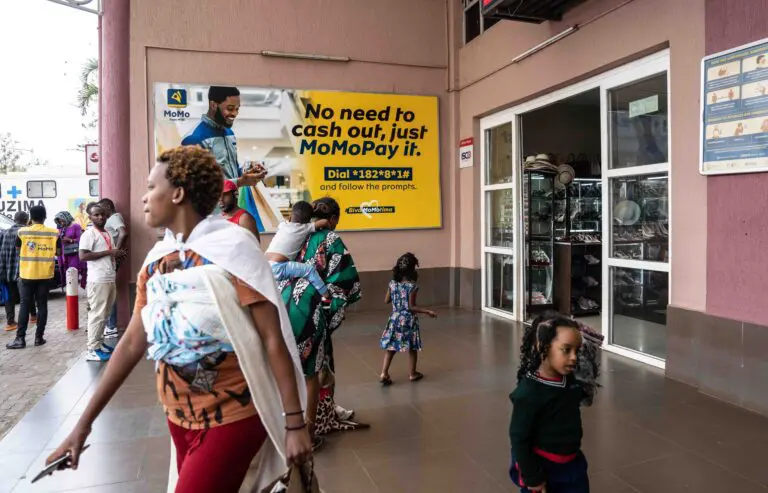
Electronic tax administration: Insights from Rwanda where manual practices persist

The promise and limitations of information technology for tax mobilisation
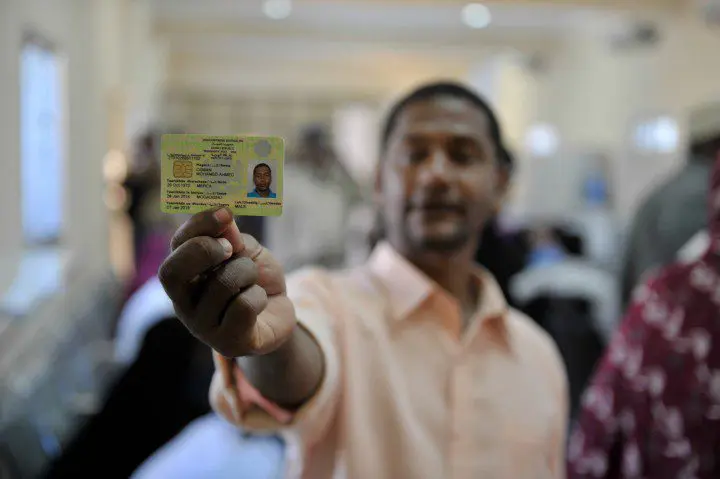
Identity issues: Four challenges for digital IDs in Africa’s tax systems

Developing and adopting new digital tools for property tax reform in Dakar, Senegal
In June 2021, eight Senegalese tax agents based in the fiscal centre of Pikine, the country’s second largest city, generated…
Stay up to date with the latest articles, publications, events and more.