Research Theme
International Tax
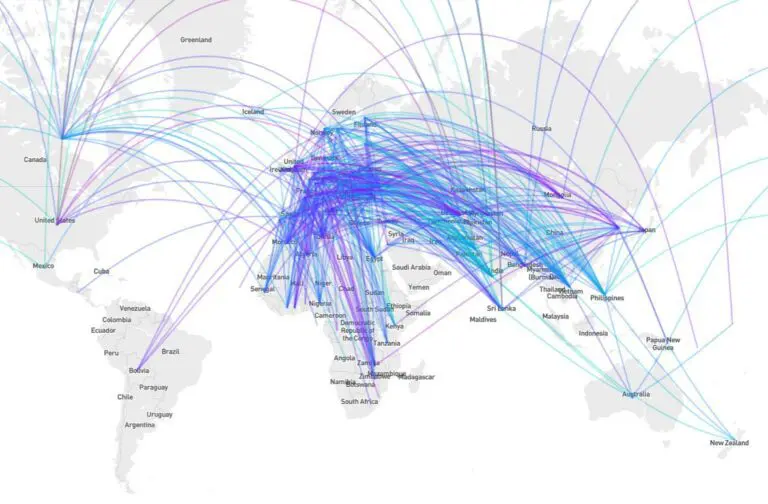
Low-income countries are more dependent on corporate income tax revenue than richer countries, and at the same time, disproportionately affected by multinational tax avoidance. Our research on this theme investigates ways in which developing countries can protect their tax bases, including through simplified transfer pricing methods and improved tax treaty policies. It also examines the challenges and opportunities developing countries face from their participation in international tax negotiations.


ICTD has also been closely following the developments around the UN Tax Convention. Check out our latest research and analysis here.

Led By
Key Resources
International Tax Library
India’s firm stance on tax could actually help investors
India keeps getting into arguments with foreign firms over tax; is it wise to do so? The Financial Times,…
A world upside down? New approach to international tax
A new report from the OECD is contemplating major changes to international tax rules. This is a progress report on…
Are You Getting Excited about ‘Formulary Apportionment’?
I thought not. And, by the way, formulary apportionment is not directly connected to children’s milk food formulae – although…
Reflections on the Third Plenary Meeting of the OECD Task Force on Tax and Development
The OECD’s Task Force on Tax and Development is neither the most streamlined of these affiliates – it has more…
Exciting Accounting? Country-by-Country Reporting For Transnational Corporations
Yes, it sounds very tedious. Accounting does not interest most people concerned with development. We may agree it is necessary,…
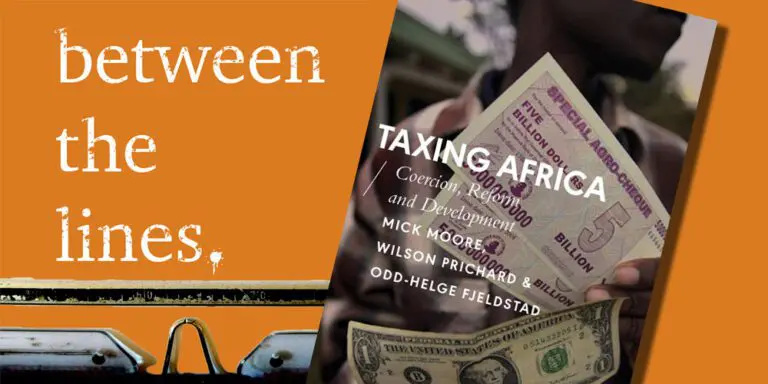
ICTD’s ‘Taxing Africa’ book authors featured on ‘Between the Lines’ podcast
In this episode of Between the Lines, Jalia Kangave interviews Mick Moore, and Wilson Prichard who along with Odd-Helge Fjeldstad…
Call for research proposals: Tax treaties and lower-income countries
Th International Centre for Tax and Development (ICTD) seeks proposals for research projects on tax treaties and lower-income countries, with…
Understanding how lower-income countries participate in global tax negotiations
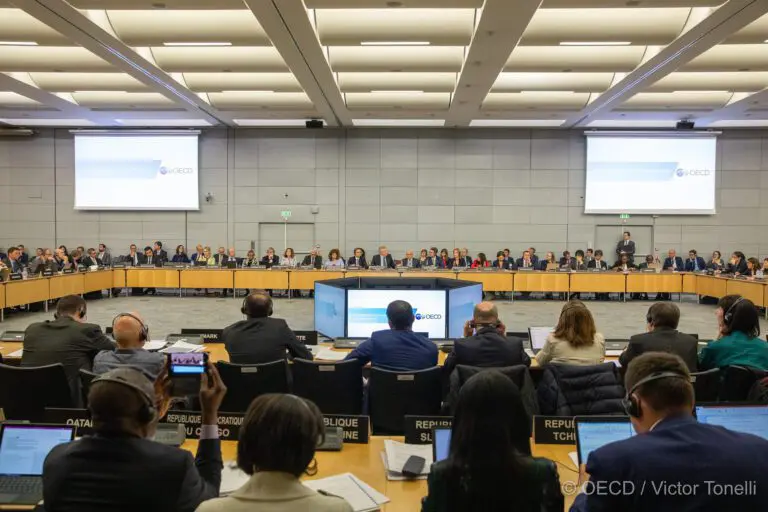
Since 2013, the formal structure of global corporate tax policymaking at the OECD has changed. Decisions are no longer made…
ICTD’s Martin Hearson presents at Platform for Collaboration on Tax webinar
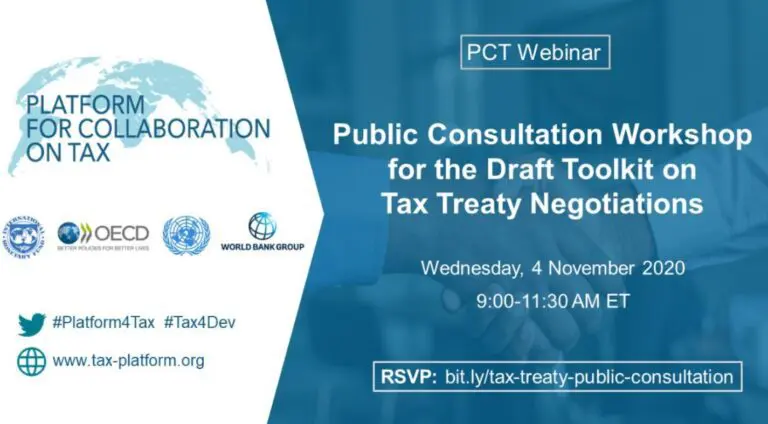
On November 4th, the Platform for Collaboration on Tax (PCT) hosted a public consultation webinar for the draft PCT Toolkit…
ICTD analyses global corporate tax negotiations
Since the start of 2019, global discussions on corporate tax reform have proceeded under the auspices of the OECD and…
Tax Notes Talk Podcast: Digitalisation and Developing Countries
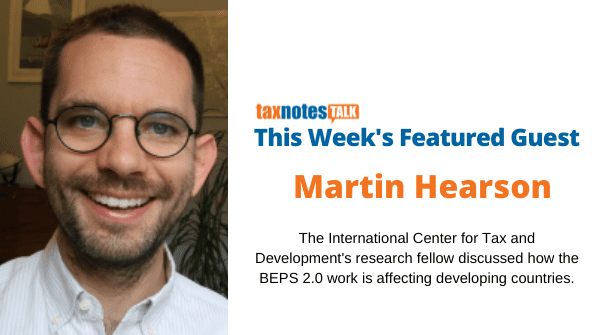
David Stewart interviewed ICTD Research Fellow Martin Hearson for the Tax Notes Talk Podcast. The two discussed how the OECD’s…
In person
•
Timezone: Europe/London
Location: IDS Convening Space and online The world has been reeling in shock at the devastation being caused by the Russian invasion of Ukraine. Beyond the grave and urgent humanitarian needs for the people of Ukraine, and the millions now
Virtual
•
Timezone: Europe/London
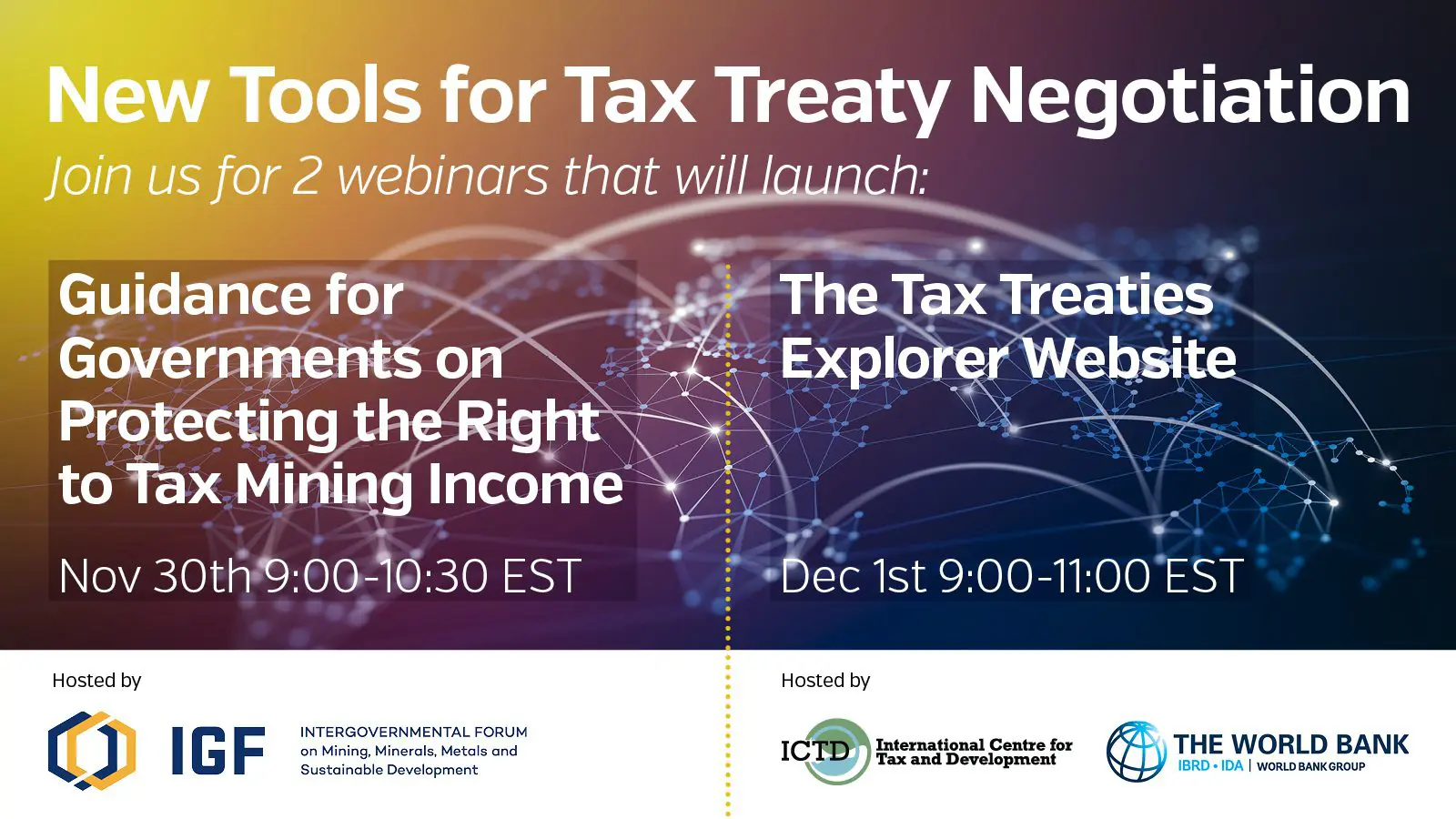
The use of tax treaties by developing countries is controversial, to say the least. Best case scenario? Tax treaties help to attract foreign direct investment by reducing the risk of double taxation. Evidence for this is weak. Worst case scenario?
Virtual
•
Timezone: Europe/London
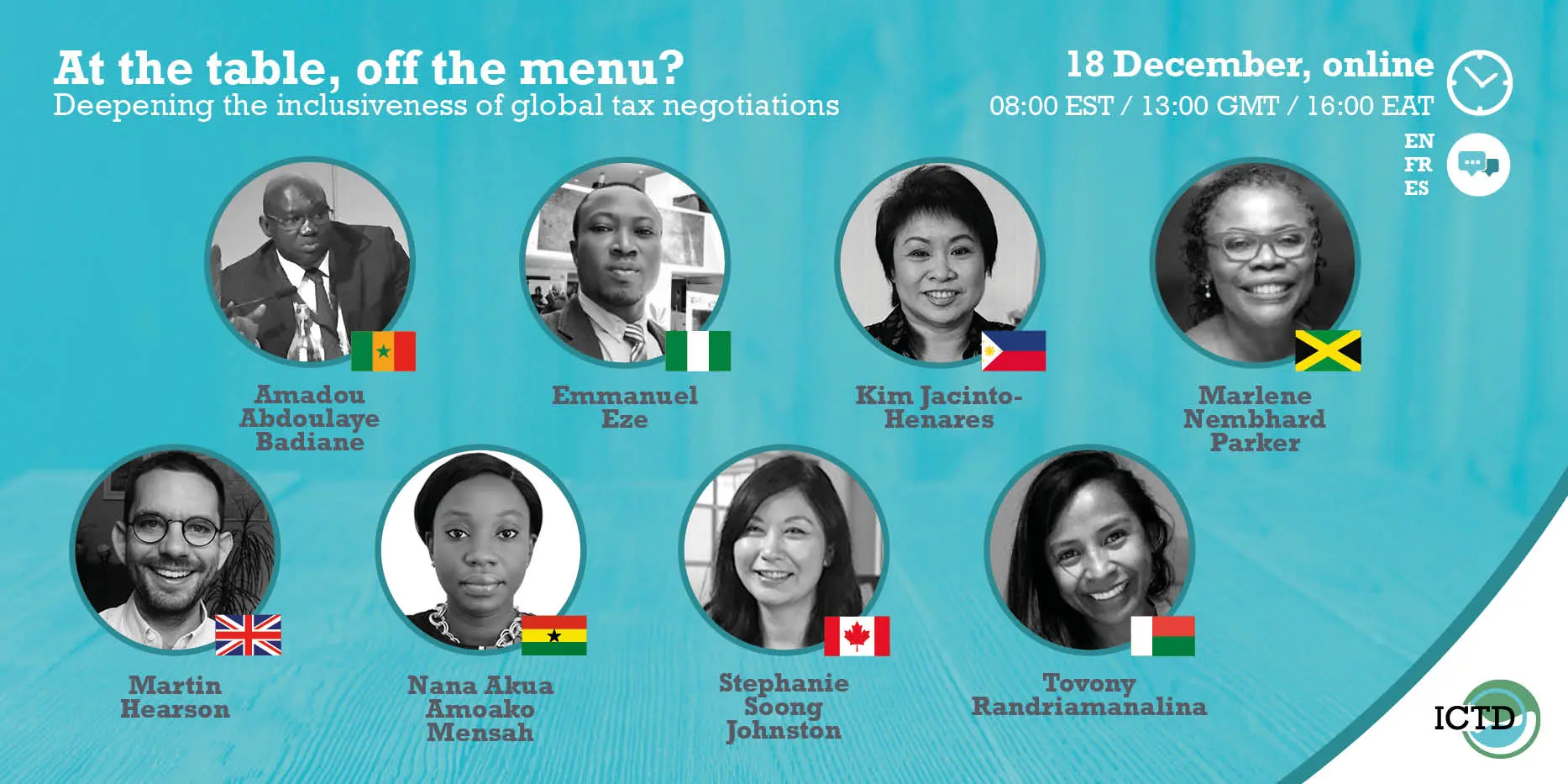
A virtual roundtable discussion on deepening the inclusiveness of global tax negotiations. Since 2013, the formal structure of global corporate tax policymaking has changed. Decisions are no longer made by 37 OECD members, but by 137 countries from all regions
•
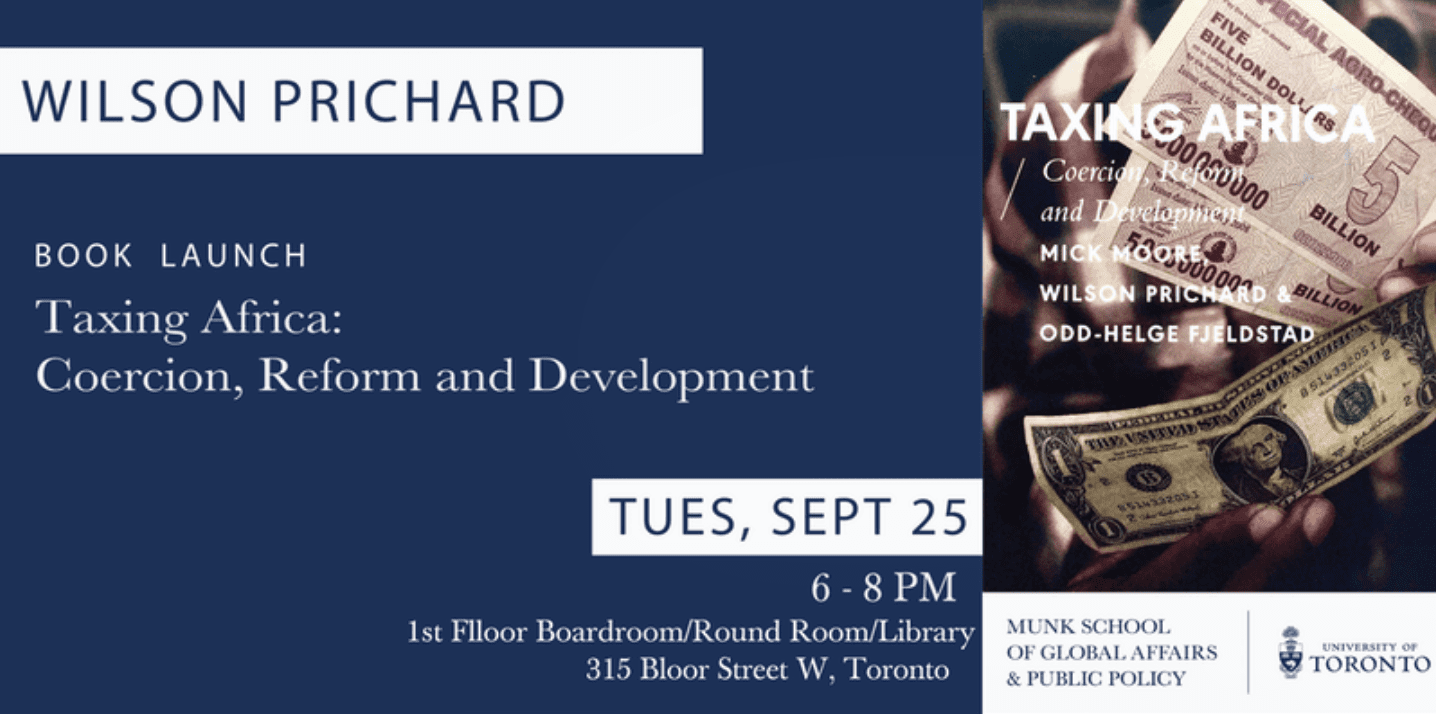
The Munk School of Global Affairs and Public Policy is hosting a launch of our book Taxing Africa: Coercion, Reform and Development. The event will be held on Tuesday September 25th from 6:00 – 8:00pm in the Round Room on
Sign up to our Newsletter
Stay up to date with the latest articles, publications, events and more.