Research Theme
Tax Administration and Compliance
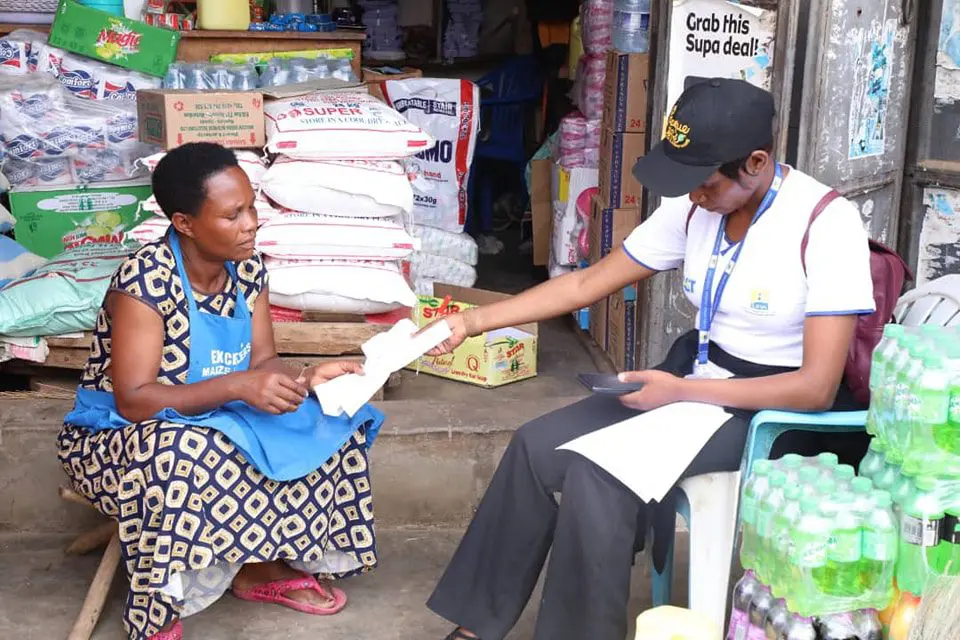
Many of the challenges low-income countries face in mobilising domestic resources are related to tax administration as much as tax policy. Our research on this theme encompasses all aspects of tax administration, from technology adoption, to data management and strategies for collecting revenue from different types of taxpayers. Tax compliance is a key focus, as low-income countries struggle with widespread evasion, corruption, and limited administrative capacity. Our research on compliance includes survey-based studies of taxpayers’ perceptions and attitudes, case studies, and large-scale field experiments.
Led By
Key Resources
Tax Administration and Compliance Library
Enforcement, facilitation and trust: why pay taxes?
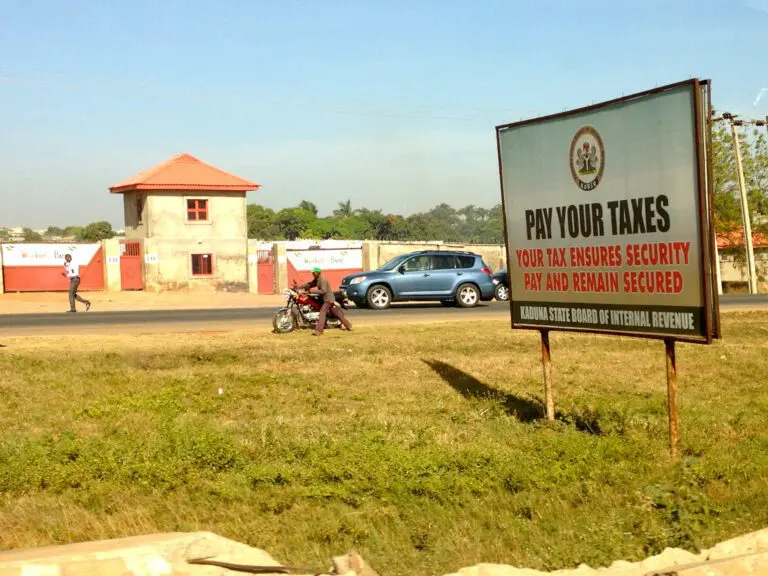
The government of Kaduna State, Nigeria, has been working to increase tax collection by broadening the tax base, investing in…
What Nigerians really think about tax
Nigeria’s performance on collected taxes is poor. Non-oil revenue in the country is around 3-4 percent of GDP, far below…
Improving property tax collection: Lessons from Uganda
Local governments (LGs) across Uganda have recently been looking for ways to improve yields from their property tax systems. The…
How to cast a wider tax net? Experimental evidence from Costa Rica
Many firms around the world fail to file their tax declarations, even if they are formally registered. This problem is…
Taxing Africa: Power, Politics, and Public Participation
Over the past decade, international attention has increasingly focused on the potential contribution of taxation to improved development outcomes. In…
Can Wealth Taxation Work in Developing Countries?
Developed countries have recently begun considering wealth taxes to raise revenue and curb rising inequality. Should developing countries follow suit?…
Nigeria’s historic tax reform led by ICTD tax course alum
Taxing Smarter: How Research Collaboration is Strengthening Tax Systems in Africa
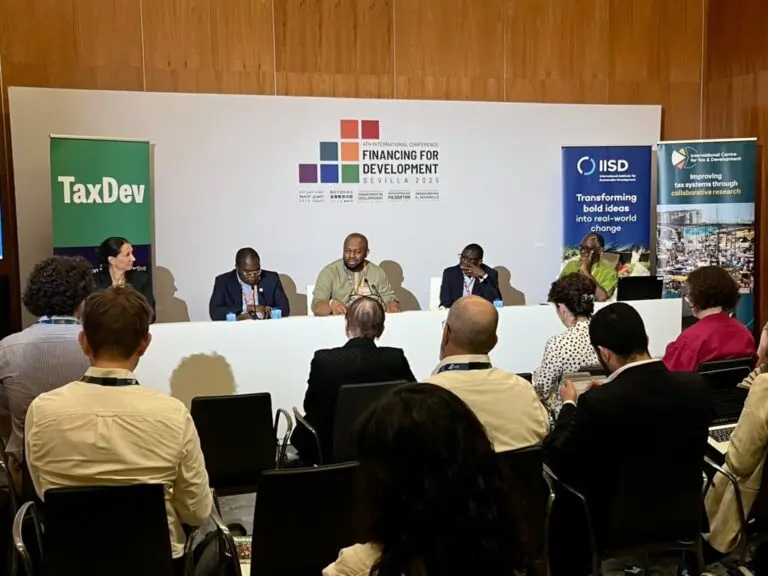
Amidst growing fiscal pressures, rising debt service costs, and shrinking aid budgets, strengthening domestic resource mobilisation (DRM) has become an…
The implications of digital payments for tax administration – Insights from the Inclusive FinTech Forum 2025
What is the potential of digital finance, a cashless economy and system interoperability for strengthening tax administration in lower- and…
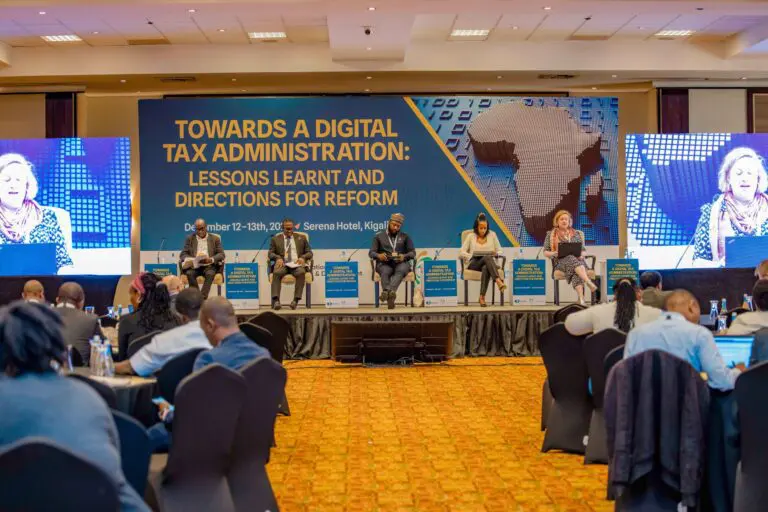
ICTD-RRA conference discusses future of digital tax administration
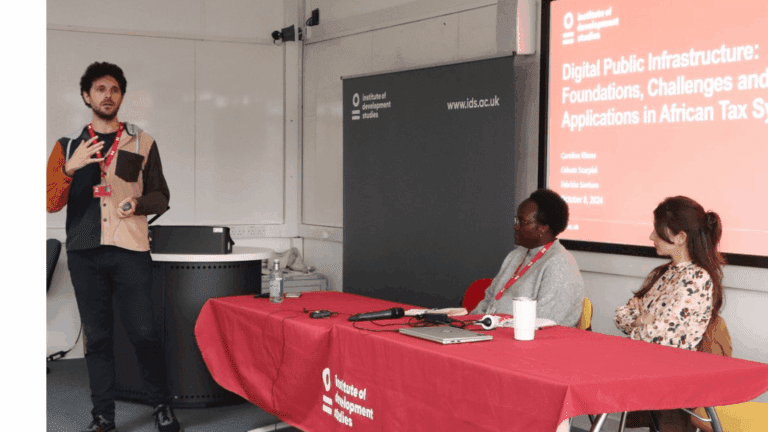
Digital Public Infrastructure and Taxation in Africa – what have we learnt and what’s next?
ICTD policy impact featured in Institute of Development Studies’ latest Annual Review
Virtual
•
Timezone: Europe/London
Revenue administrations have recently been investing significant efforts into registering a large number of new taxpayers, in the broader quest to formalise the informal sector. But have these efforts been effective in increasing revenue and improving administration? The ICTD hosted
In person
•
Timezone: Africa/Nairobi
Virtual
•
Timezone: Europe/London
Randomised controlled trials is a method that comes with strengths and weaknesses. Especially in theory-based evaluations of complex programmes, the method is often considered as inappropriate. https://www.youtube.com/watch?v=tDKcykdVs04&ab_channel=InstituteofDevelopmentStudies Giulia Mascagni will reflect on the strengths and weaknesses of the method for

Virtual
•
Timezone: Europe/London
Date: 30th May 2023, 13:30 – 14:30 London time Duration: 60 minutes Language: English only There are three puzzling features of Sub-Saharan African tax systems. First, tax administrations maintain records on vast numbers of small enterprises that actually provide no

Sign up to our Newsletter
Stay up to date with the latest articles, publications, events and more.