Research Theme
Tax Administration and Compliance
Many of the challenges low-income countries face in mobilising domestic resources are related to tax administration as much as tax policy. Our research on this theme encompasses all aspects of tax administration, from technology adoption, to data management and strategies for collecting revenue from different types of taxpayers. Tax compliance is a key focus, as low-income countries struggle with widespread evasion, corruption, and limited administrative capacity. Our research on compliance includes survey-based studies of taxpayers’ perceptions and attitudes, case studies, and large-scale field experiments.
Led By
Key Resources
Tax Administration and Compliance Library
A home-grown remedy for Sri Lanka’s revenue crisis?
Sri Lankans sometimes like to claim perverse records for their country. You will likely have heard the proud assertion that…
Why African governments should tax the rich
A great deal of attention has been paid to the obstacles African governments face in effectively taxing the profits of…
The ICTD government revenue dataset: still the best option for researchers
In 2010, the ICTD launched efforts to create the ICTD government revenue dataset (GRD), which is increasingly recognized as the…
Promoting Tax Bargains in Uganda and Beyond: The Importance of Civil Society and Parliamentarians
While developing countries have acknowledged the importance of domestic resource mobilization in development, in practice, not enough attention is being…
Making VAT more visible can be an efficient tool in building a tax-paying culture
A new study shows that Value-Added-Tax can be used to educate people outside the reach of direct income taxation on…
The Sustainable Development Goals – Reject Tax Targeting
There is good news in the agenda for the Third Financing for Development Conference to be held in Addis Ababa…
ICTD recruiting Research Fellow & Lead Researcher for DIGITAX programme
ICTD is seeking a Lead Researcher for our new three-year research programme funded by the Bill and Melinda Gates Foundation…
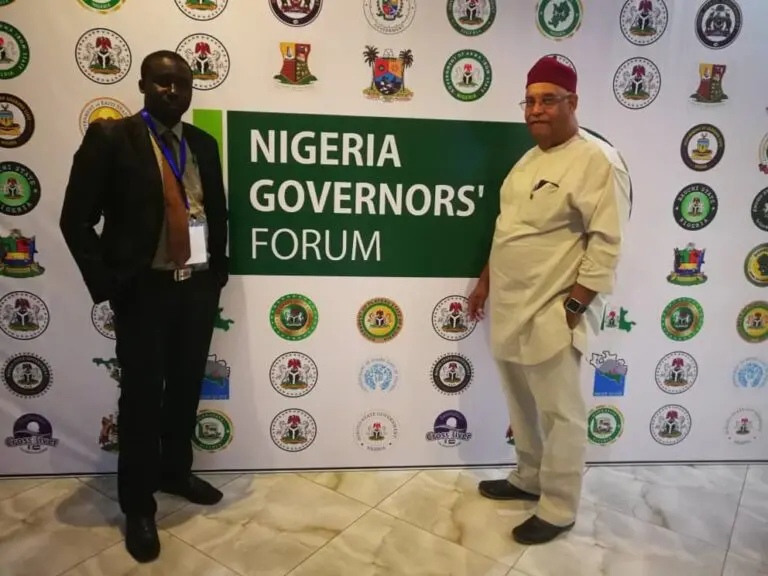
Research to Policy: NTRN research presented at the Nigeria Governors’ Forum
NTRN grantee Dr Abdulsalam Mas’ud participated in the Nigeria Governors’ Forum‘s (NGF) Internally Generated Revenue Peer Learning Event ‘The Imperative…
Dr. Waziona Ligomeka appointed Director of Policy, Planning & Research of Malawi Revenue Authority
The ICTD is pleased to share that Dr. Waziona Ligomeka has been appointed as the Director of Policy, Planning and…
ICTD CEO and Research Director present at Addis Tax Initiative conference
The ATI/ITC Tax and Development Conference was held this week in Berlin. ICTD CEO Professor Mick Moore spoke on the…
Better Tax initiative launched in Nigeria
The Nigerian Economic Summit Group (NESG) launched the Better Tax initiative on May 15th in Lagos. The initiative seeks to…
Call for research proposals on taxation of self-employed professionals (Closed)
The ICTD is open to new research proposals on the taxation of self-employed professionals in sub-Saharan Africa and South Asia….
Virtual
•
Timezone: Europe/London
Watch the event recording here. On February 8th, the ICTD’s Research Director Dr Giulia Mascagni will be speaking as a panellist at an event focusing on taxpayer education. Read her paper on the role of taxpayer education in Africa, on
Virtual
•
Timezone: Europe/London
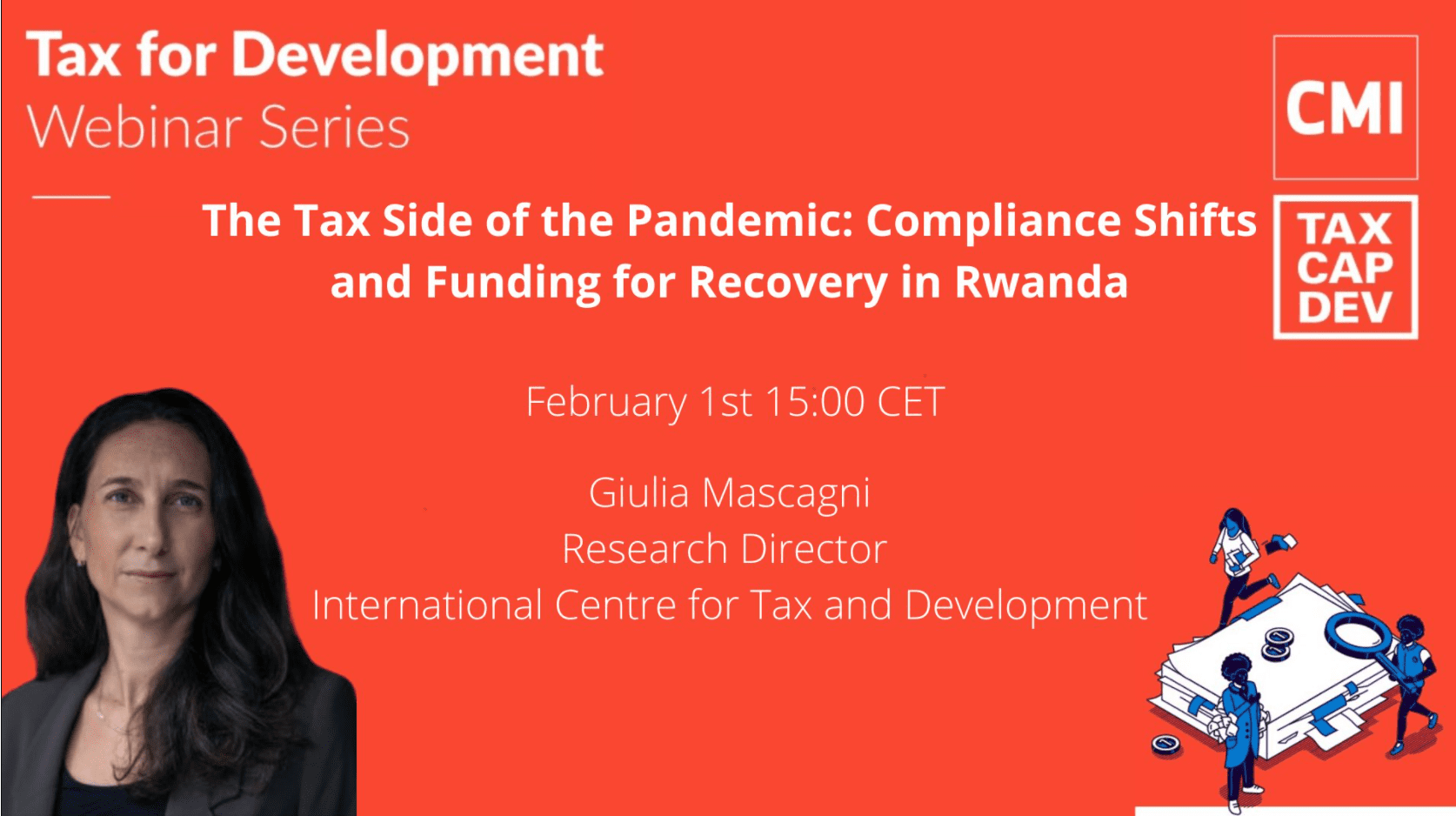
The ICTD’s Research Director Giulia Mascagni will be beginning this spring’s Tax for Development webinar series. This upcoming webinar, The Tax Side of the Pandemic: Compliance Shifts and Funding for Recovery in Rwanda, is the first of a series of

Virtual
•
Timezone: America/New_York
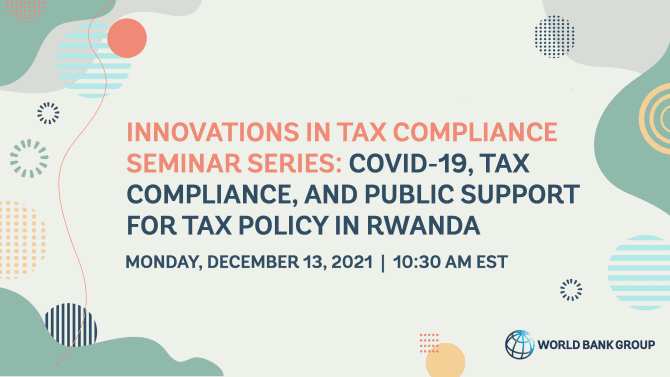
What impact has the Covid-19 pandemic had on taxpayer perceptions and tax compliance in low-income countries? In this seminar hosted by the World Bank, the ICTD’s Research Director Dr. Giulia Mascagni will present results from new research in Rwanda. Recently

Virtual
•
Timezone: Europe/London
A central aspect of institutional development in developing economies is building tax systems capable of raising revenues from broad tax bases; i.e., acquiring fiscal capacity. Improved fiscal capacity allows countries to generate much-needed resources for the provision of public goods
Sign up to our Newsletter
Stay up to date with the latest articles, publications, events and more.