Research Theme
Tax Administration and Compliance
Many of the challenges low-income countries face in mobilising domestic resources are related to tax administration as much as tax policy. Our research on this theme encompasses all aspects of tax administration, from technology adoption, to data management and strategies for collecting revenue from different types of taxpayers. Tax compliance is a key focus, as low-income countries struggle with widespread evasion, corruption, and limited administrative capacity. Our research on compliance includes survey-based studies of taxpayers’ perceptions and attitudes, case studies, and large-scale field experiments.
Led By
Key Resources
Tax Administration and Compliance Library
Does Information about Public Services Boost Tax Compliance? I conducted an experiment in Freetown to find out
This research was conducted alongside the ICTD/LoGRI-led initiative to implement comprehensive property tax reforms in Freetown, Sierra Leone. This reform…
We interviewed 83 tax collectors in Malawi and here is what we learnt
Tax specialists have a great deal to say about how African tax collectors could work better but rarely seem to…
Why don’t governments collect more revenue? The answer is complex but here are some new insights
Why don’t governments collect more tax revenue? This question is particularly relevant to lower income countries as many of their…
How digital public infrastructure could transform tax administration in Africa
Evidence suggests that digital public infrastructure (DPI) can greatly simplify tax administration and boost tax compliance. However, some persistent challenges…
Design features of simplified tax regimes for small businesses in Sub-Saharan Africa
Why Cameroon’s mobile money agents are struggling to increase revenue
Job Opportunity: Programme Manager, DIGITAX
Closing date for applications: Saturday, 30th April 2022 The International Centre for Tax and Development is seeking a Programme Manager…
DIGITAX working papers examine the intersection between technology, tax policies & collection methods
DIGITAX is a new ICTD research programme aimed at generating knowledge and evidence to support governments in overcoming the challenges…
ICTD’s Giulia Mascagni featured on IMF podcasts in conversation with Mick Keen
ICTD Research Director Dr Giulia Mascagni has been featured in two episodes of the IMF’s TADAT podcast, sharing the latest…
In Remembrance of Agnes Kanyangeyo
It is with great sadness that we would like to inform our wider network of the passing of Agnes Kanyangeyo,…
New World Bank framework for tax reform developed in partnership with the ICTD
In many developing countries, tax revenues remain far below levels needed to provide citizens with basic services or fund extra…
Call for research proposals on digital financial services, digital ID, and taxation
Background The rapid expansion of mobile money and broader digital financial services (DFS) as well as the increased relevance of…
Virtual
•
Timezone: Europe/London
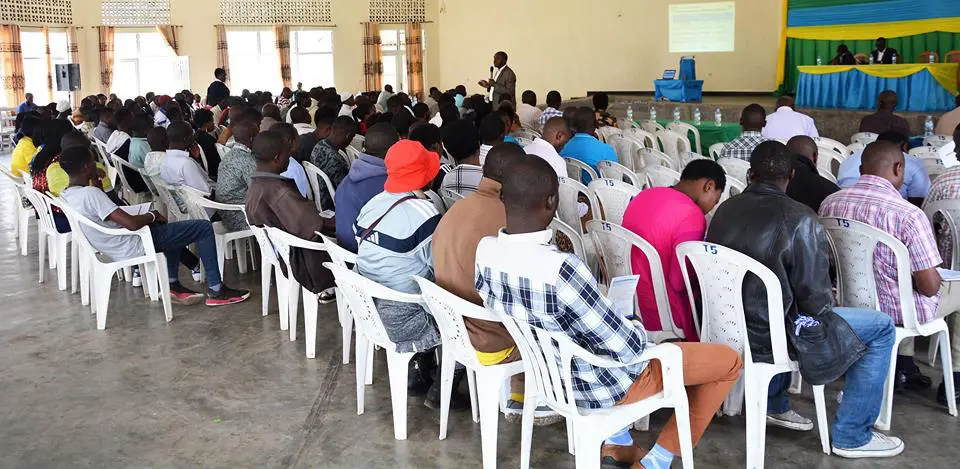
Watch the event recording here. On February 8th, the ICTD’s Research Director Dr Giulia Mascagni will be speaking as a panellist at an event focusing on taxpayer education. Read her paper on the role of taxpayer education in Africa, on
Virtual
•
Timezone: Europe/London
The ICTD’s Research Director Giulia Mascagni will be beginning this spring’s Tax for Development webinar series. This upcoming webinar, The Tax Side of the Pandemic: Compliance Shifts and Funding for Recovery in Rwanda, is the first of a series of

Virtual
•
Timezone: America/New_York
What impact has the Covid-19 pandemic had on taxpayer perceptions and tax compliance in low-income countries? In this seminar hosted by the World Bank, the ICTD’s Research Director Dr. Giulia Mascagni will present results from new research in Rwanda. Recently

Virtual
•
Timezone: Europe/London
A central aspect of institutional development in developing economies is building tax systems capable of raising revenues from broad tax bases; i.e., acquiring fiscal capacity. Improved fiscal capacity allows countries to generate much-needed resources for the provision of public goods
Sign up to our Newsletter
Stay up to date with the latest articles, publications, events and more.