Research Theme
Tax Administration and Compliance
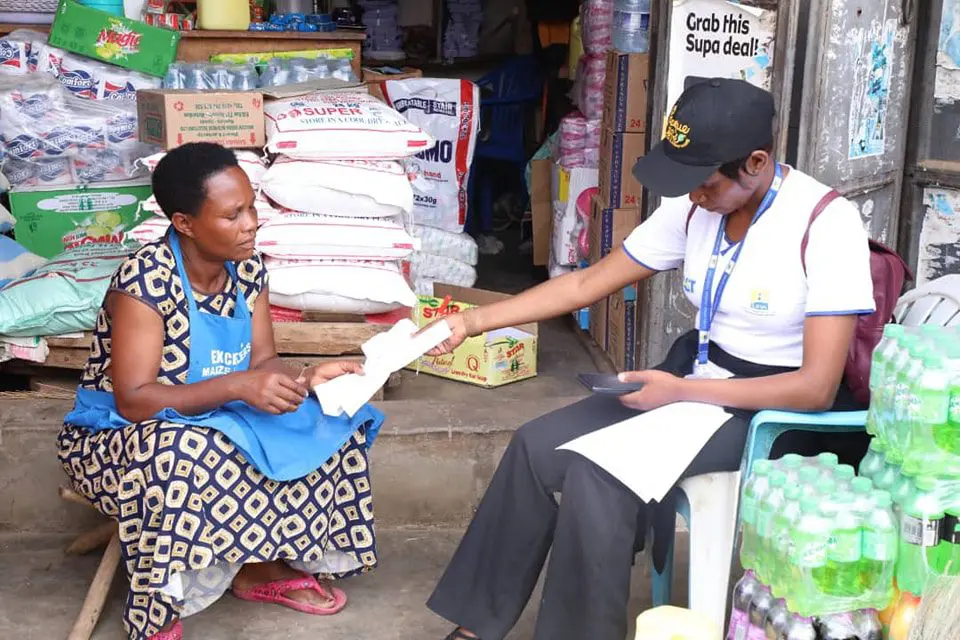
Many of the challenges low-income countries face in mobilising domestic resources are related to tax administration as much as tax policy. Our research on this theme encompasses all aspects of tax administration, from technology adoption, to data management and strategies for collecting revenue from different types of taxpayers. Tax compliance is a key focus, as low-income countries struggle with widespread evasion, corruption, and limited administrative capacity. Our research on compliance includes survey-based studies of taxpayers’ perceptions and attitudes, case studies, and large-scale field experiments.
Led By
Key Resources
Tax Administration and Compliance Library
Implementing a systems approach for effective property taxation in Ghana
Ghanaian local governments – metropolitan, municipal, and district assemblies (MMDAs) – face several challenges preventing them from raising more revenue…
Increasing collection of income taxes via property ownership: The Borno State experience
Borno State, in north-eastern Nigeria, has faced intractable security challenges in the last decade that has led to the destruction…
Pandora’s box is open: What should lower-income countries do to tax the wealthy now?
The recent Pandora Papers leak has exposed yet again the scandal of how the world’s rich and powerful hide their…
Developing and adopting new digital tools for property tax reform in Dakar, Senegal
In June 2021, eight Senegalese tax agents based in the fiscal centre of Pikine, the country’s second largest city, generated…
Cannabis taxation – A new revenue source for development?
In recent years, the legalisation of cannabis – initially for medical use, and increasingly for recreational use – has become…
Digitising taxation in Nigeria: Challenges and recommendations
In 2016, Nigeria’s Presidential Enabling Business Environment Council recognised that Nigeria should not be left behind in the emerging digitisation…
Announcing Giulia Mascagni as new ICTD Executive Director
We are delighted to announce Giulia Mascagni will be ICTD’s new Executive Director from 1st July 2024. Mascagni is taking…
Consultancy Opportunity: Technical Coordinator (LoGRI/IGC), Sierra Leone
Wilson Prichard Leads Session on Revenue Systems at Harvard Ministerial Leadership Forum
Harvard University hosted its annual Harvard Ministerial Leadership Forum last month welcoming finance and economic planning ministers from Africa, the…
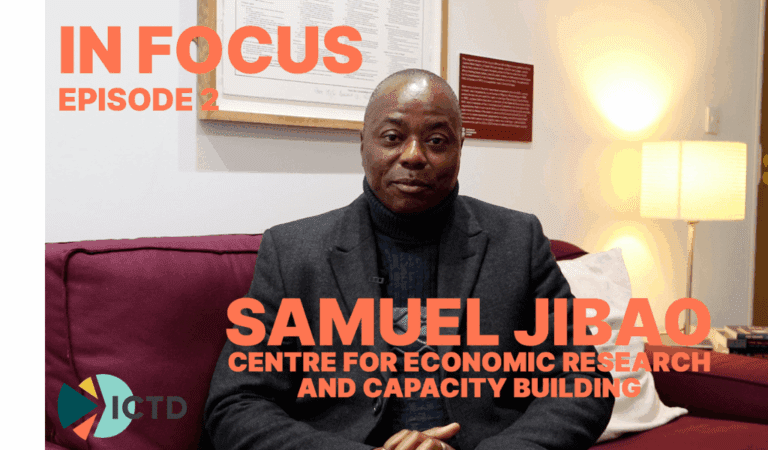
Dr Jibao underscores value of collaborative research in video interview
Insights on Ghana’s e-levy: What do we know nearly two years on?
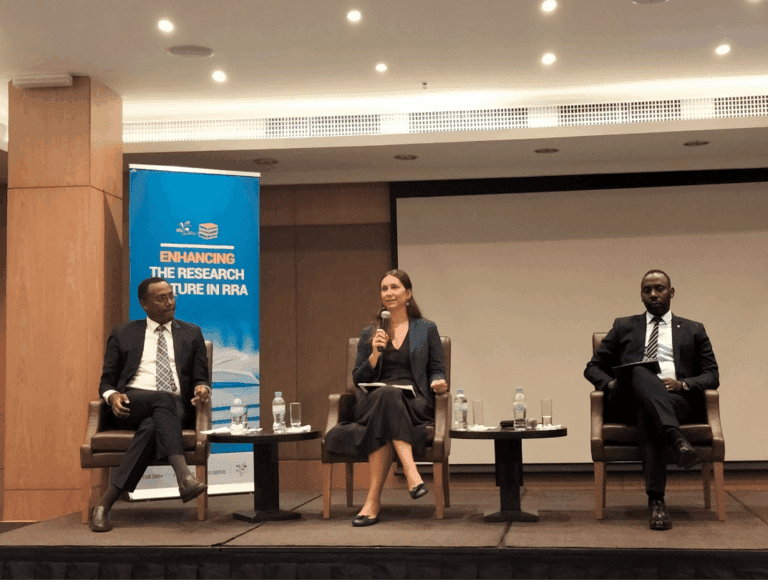
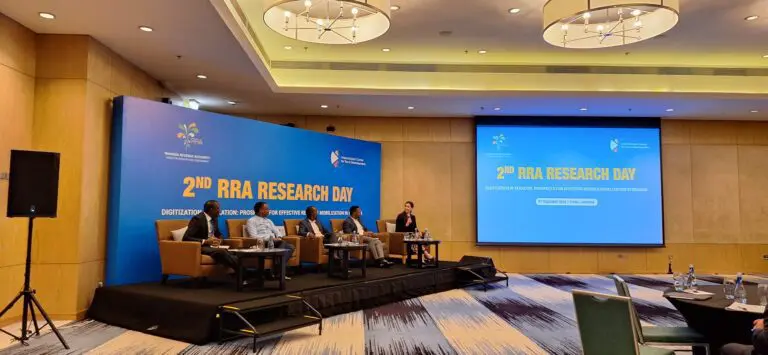
Leveraging Technology for Enhanced Tax Administration: Insights from the 2nd RRA Research Conference
On February 9, 2024, the Rwanda Revenue Authority (RRA) and the International Centre for Tax and Development (ICTD) co-hosted the…
Virtual
•
Timezone: Europe/London
Revenue administrations have recently been investing significant efforts into registering a large number of new taxpayers, in the broader quest to formalise the informal sector. But have these efforts been effective in increasing revenue and improving administration? The ICTD hosted
In person
•
Timezone: Africa/Nairobi
Virtual
•
Timezone: Europe/London
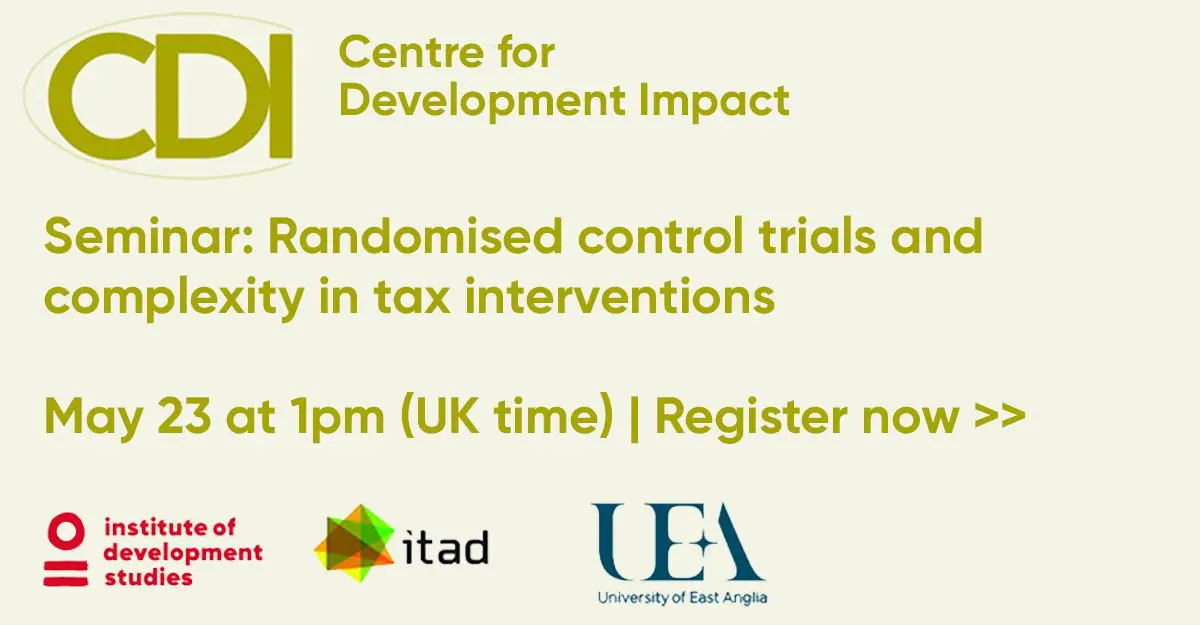
Randomised controlled trials is a method that comes with strengths and weaknesses. Especially in theory-based evaluations of complex programmes, the method is often considered as inappropriate. https://www.youtube.com/watch?v=tDKcykdVs04&ab_channel=InstituteofDevelopmentStudies Giulia Mascagni will reflect on the strengths and weaknesses of the method for

Virtual
•
Timezone: Europe/London
Date: 30th May 2023, 13:30 – 14:30 London time Duration: 60 minutes Language: English only There are three puzzling features of Sub-Saharan African tax systems. First, tax administrations maintain records on vast numbers of small enterprises that actually provide no

Sign up to our Newsletter
Stay up to date with the latest articles, publications, events and more.