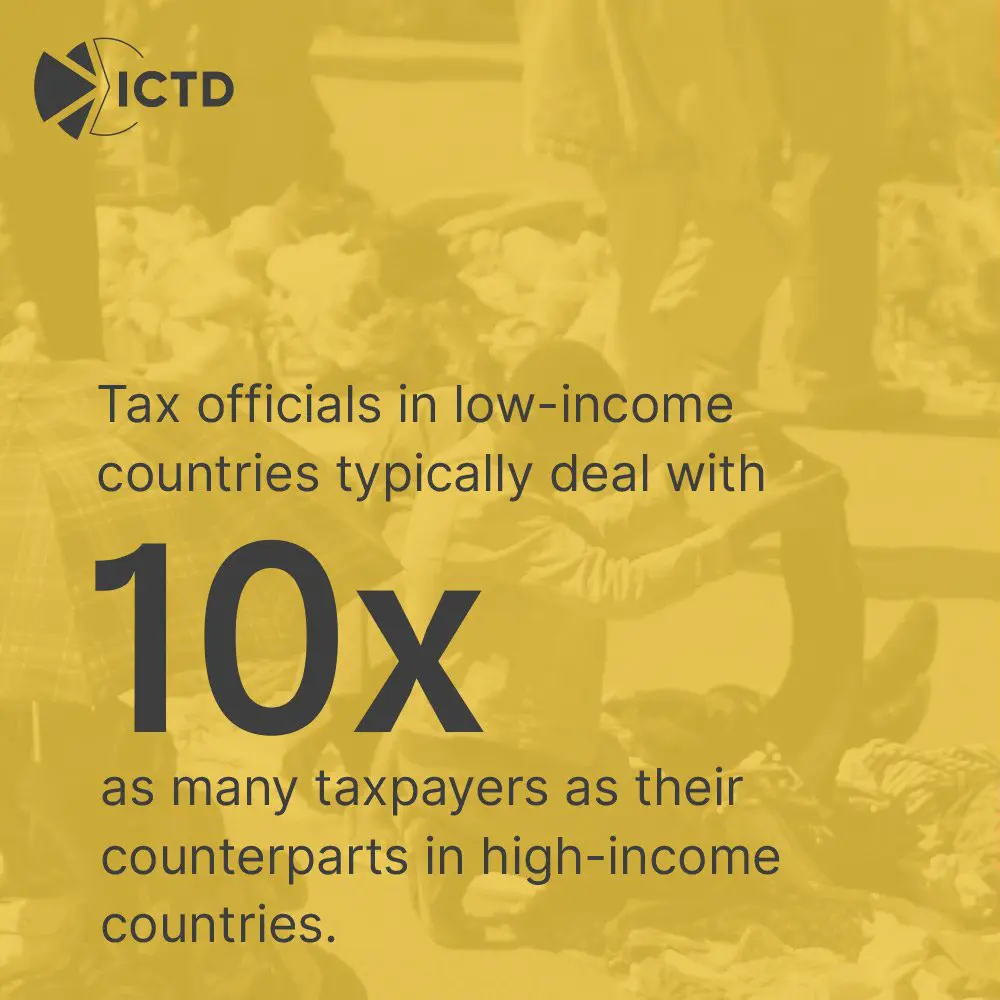
At a time of substantial uncertainty for global development, three things are clear. First, aid is retreating substantially, and probably permanently. Second, lower-income countries’ debt servicing costs are spiralling, and their ability to take on new debt is constrained at the same time as principal sums are coming due. Third, the resources needed to finance development investments and core public services, including adaptations to the climate catastrophe, are continuously increasing. The consequence of this is already visible: the pressure and hope are on states’ ability to mobilise domestic resources.
The Fourth International Conference on Financing for Development’s recently agreed ‘Compromiso de Sevilla’ highlights the centrality of domestic public resources for sustainable development.
Key Messages
- With the sharp retreat of aid, we are firmly in the tax era of development. Tax is not only the primary source of financing in lower-income countries, but also the lynchpin of development finance. Building better tax capacity is a necessary condition for all aspects of sustainable development.
- A decade of research and evidence on tax reform provides an excellent foundation on what works, what does not, and how to sustain tax increases over time. The key to thriving in this new era is not just taxing harder, but taxing smarter – implementing evidence-based reforms, and integrating research more closely with tax administration.
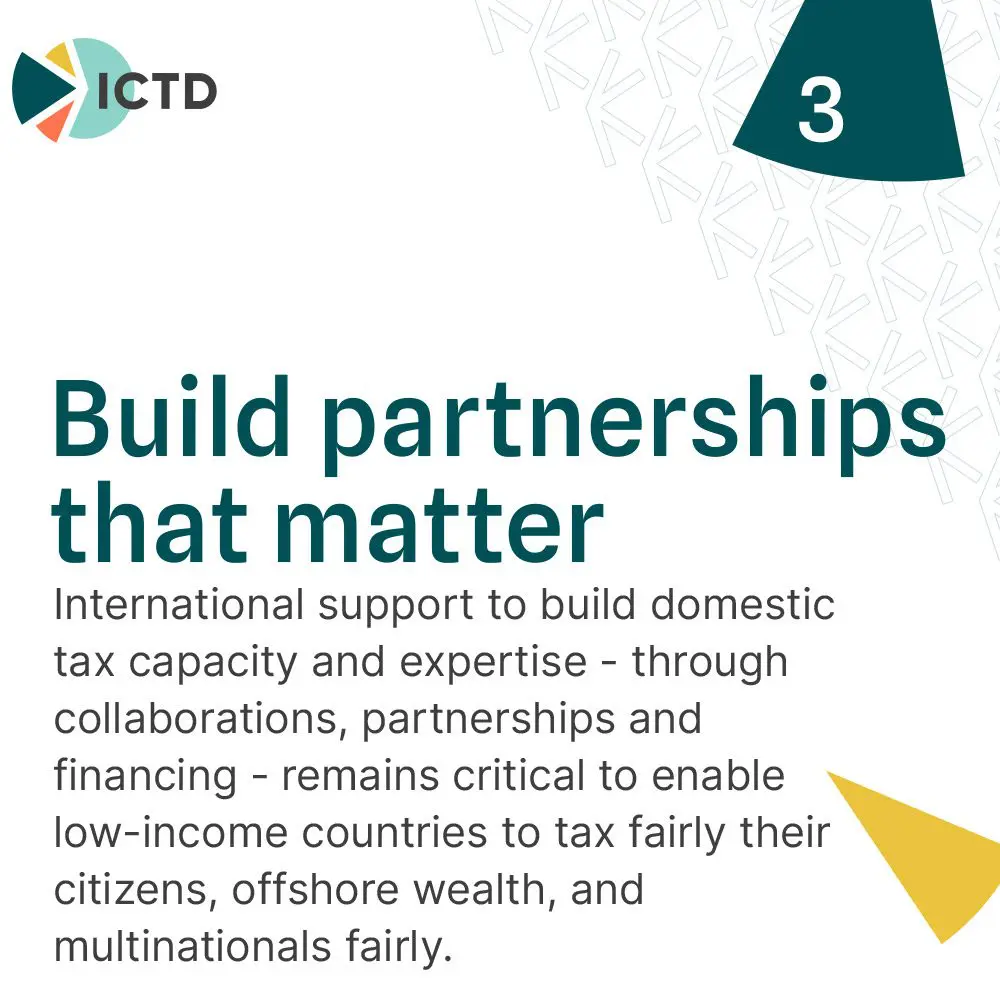
- The tax era of development can be most successful with international financing, collaboration, and partnership. Although tax is the most viable exit strategy from aid in the long term, aid remains critical to boost tax capacity in the short term, alongside cooperation on international tax matters.
Related media coverage
- Taxing smarter is the key to thriving in an era of declining aid – op ed by Giulia Mascagni published in Devex
- Aid crisis means donors will have to boost tax capacity building – letter by Giulia Mascagni published in the Financial Times