
Tax and Informality
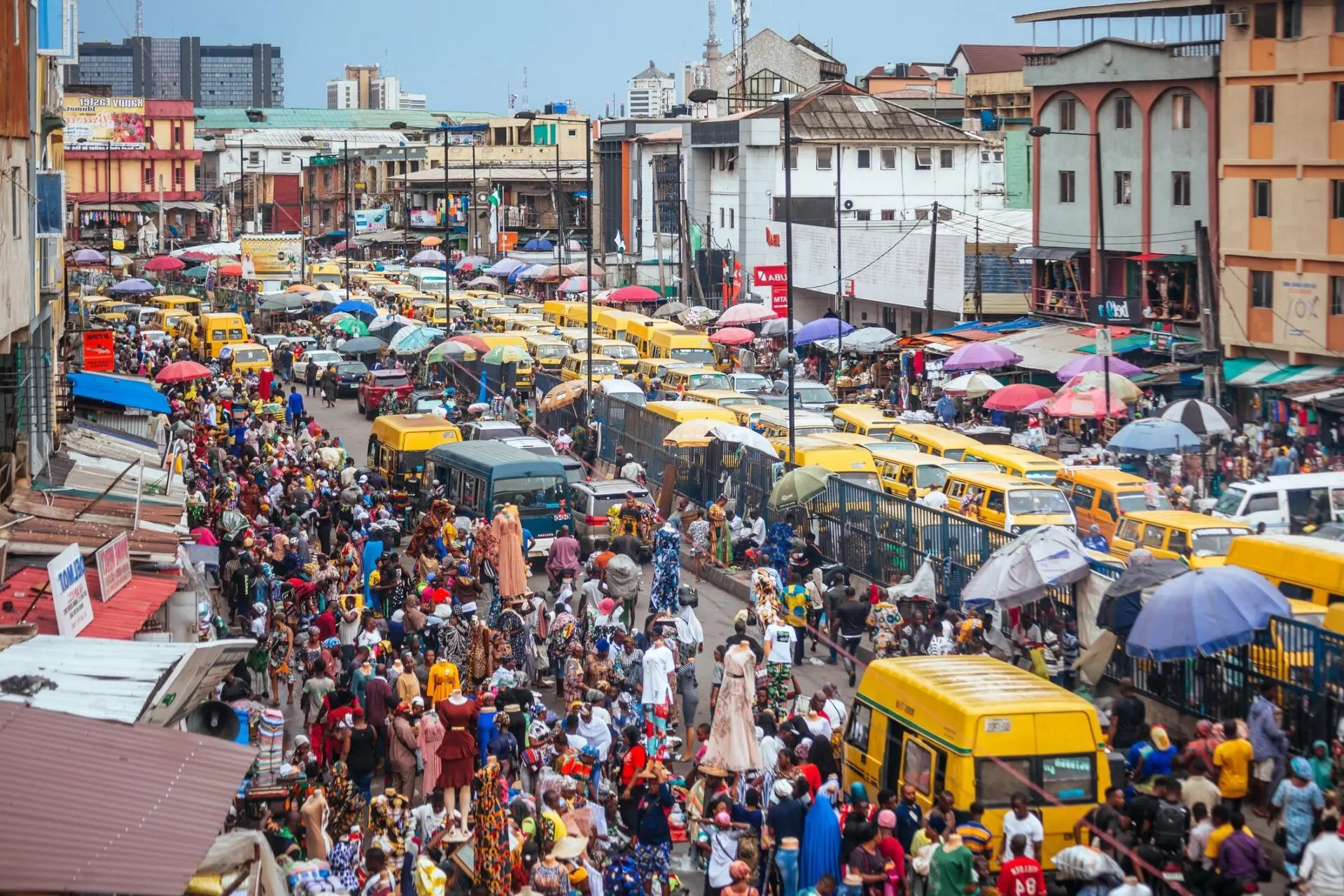
About half of the global labour force operates within the informal economy. It’s commonly assumed they don’t pay any taxes – but this is a misconception. Many make formal payments to various state actors. Households and businesses in low-income countries also often contribute substantially to financing public goods and services through informal taxation. Without understanding these realities, states risk over-taxing some of their most vulnerable communities. It’s thus important that research explores how informal tax burdens are distributed and how taxing the informal economy affects equity, development and state building.
Test your Knowledge
Which of the following statements is true about informal firms?
The gender profile of informal work varies substantially across the globe. In which region is the rate of informal employment for men comparatively higher?
According to the ILO’s 2018 estimations, how many people across the world work informally?
What is not a common strategy to tax informal firms?
Research in diverse contexts has found that informal taxes disproportionally affect:
Which of the following professions never operates informally in lower and middle income countries?
Despite often disappointing results, recent years have seen policy enthusiasm for tax registration drives. Recent scholarship has referred to this as:
Recent research has shown that despite a national policy committing to free primary education, different informal taxes are critical in financing schooling in Sierra Leone. Which of these is not a way through which people contribute to schooling?
Knowledge Hub
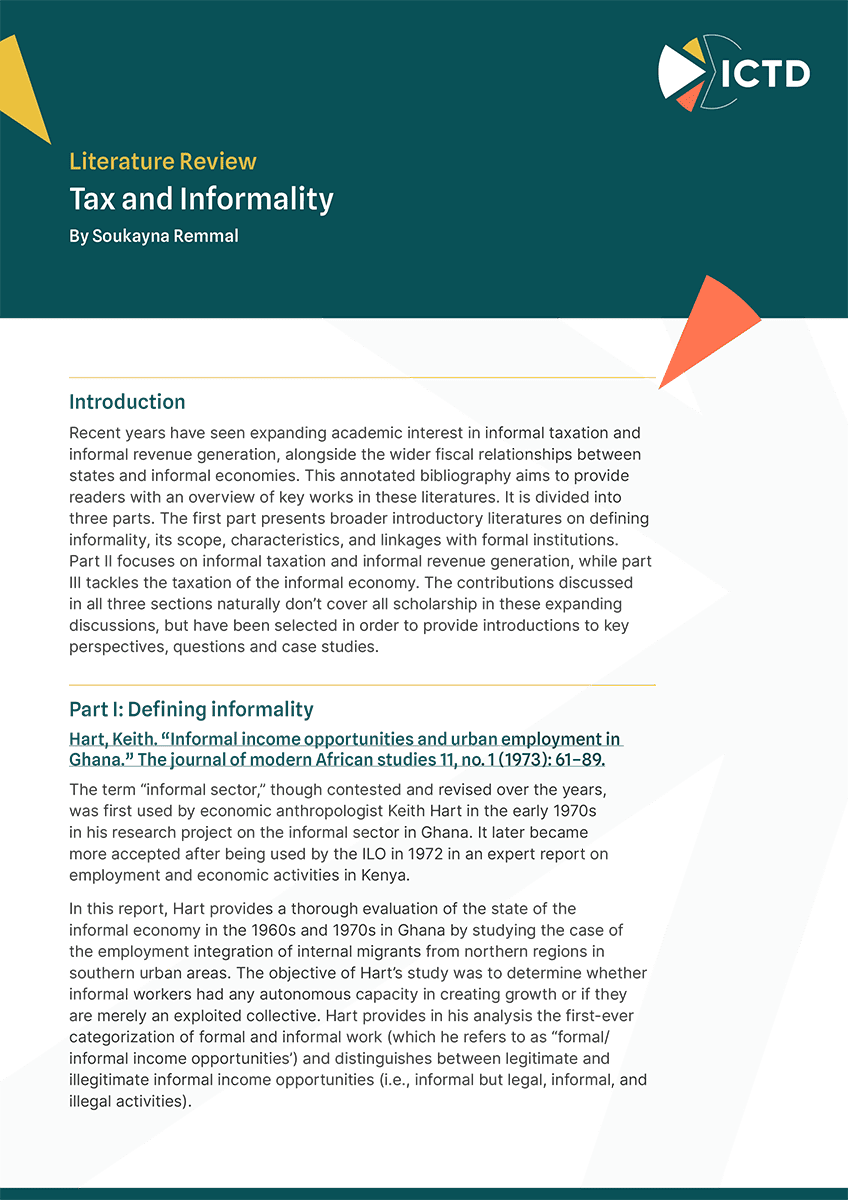
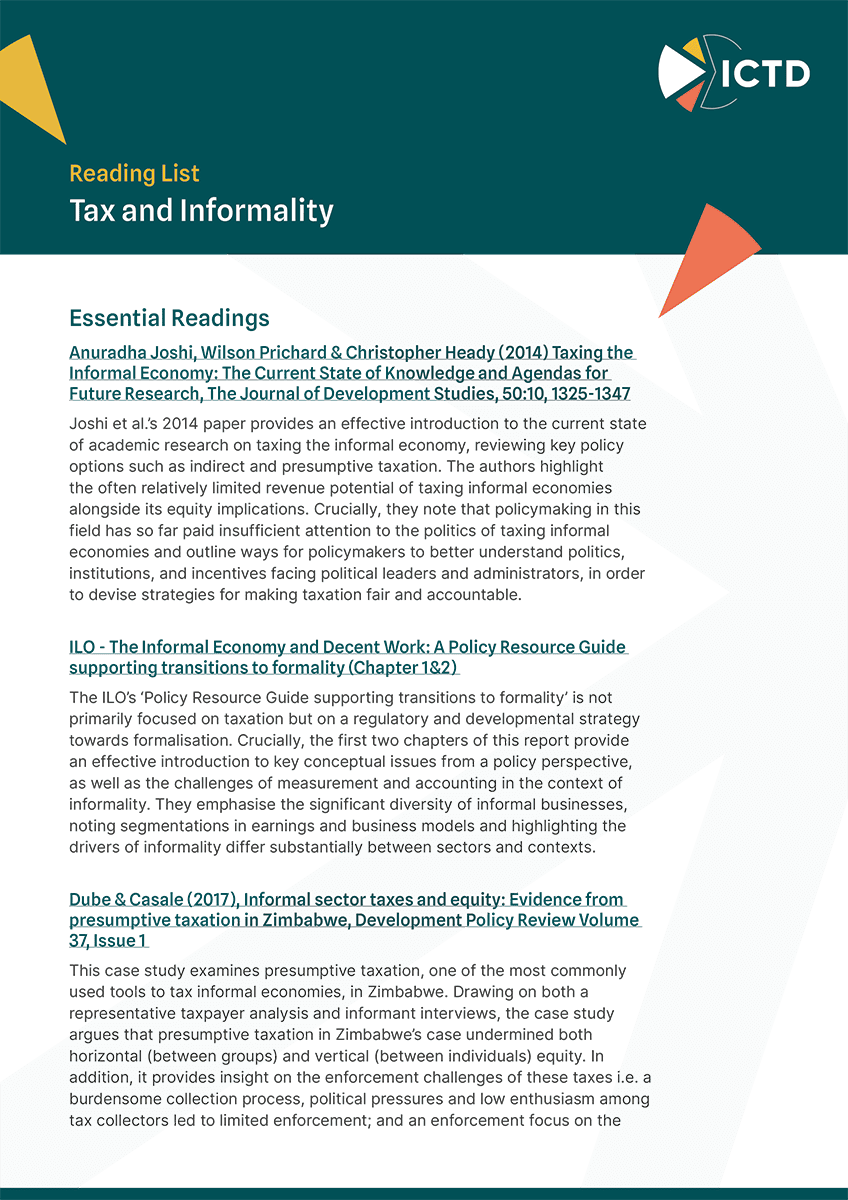

External Resources
Women in Informal Employment: Globalizing and Organizing
WIEGO is a global network dedicated to improving the working conditions of the working poor, especially women, in the informal economy. They produce a range of publications and resources—from books to briefs, worker training kits and videos.
International Labour Organization
The ILO collates a range of statistics on informal employment and labour markets in both developing and developed countries.
Self Employed Women’s Association
SEWA is the single largest central trade union, with a membership of over 2.1 million self-employed women workers from the informal economy across 18 states in India. They produce various resources to shed light on the informal economy in India.
