Research Theme
Informality and Tax
While research has historically focused on formal systems of taxation and user fees, there is mounting evidence of the importance of “informal” taxation for average taxpayers in much of Africa. While lying outside of statutory laws, the “tax-like” payments – which include informal user fees, informal contributions to community development projects, and informal payments to both state and non-state officials – impose a significant burden on many taxpayers, while playing a critical role in financing local public goods and services and shaping broader local governance.
Our research aims to map the extent, composition and experiences of these payments, and to understand their implications for livelihoods, fiscal decentralisation, service delivery and broader local governance reform. One strand of our work looks closely at taxation in fragile settings, examining the challenges, risks, and opportunities it presents for peacebuilding, state-building, and citizen engagement.
We have also established a Community of Practice on Informality and Tax, a global network of practitioners and scholars committed to improving both knowledge and policy on how tax authorities engage with informal economies.

Key Resources
Informality and Tax Library
Why do armed groups tax? It’s not just about the money
The World Bank and IMF are using flawed logic in their quest to do away with the informal sector
Many low and middle-income countries face a myriad of challenges. But policies that can address them are few and far…

Citizen-led financing of public services in fragile contexts: New evidence from Somalia
Two billion people live in countries where development outcomes are affected by fragility, conflict, and violence. By 2030, up to…

Would Moroccans accept a state zakat fund? Should they?
Zakat can add up to big money. Although estimates vary, some suggest that global annual zakat spending is higher than…
Informal taxation in Nigeria: Significance, benefits and challenges
Across Nigeria, a journey through rural communities and interaction with community members will expose you to the prevalence of self-financed…
Cannabis taxation – A new revenue source for development?
In recent years, the legalisation of cannabis – initially for medical use, and increasingly for recreational use – has become…
Discussing fairer approaches to taxing the informal sector
The first ATI–ICTD webinar on tax and informality brought together research, workers’ experiences, and The Gambia’s reform plans to discuss…
ICTD partners with ATI to advance evidence-based approaches to tax and informality
ICTD launches report on 15 years of research and the future of development finance
The International Centre for Tax and Development (ICTD) has officially released its major report, Taxing Smarter: Advancing Reform Through Research…
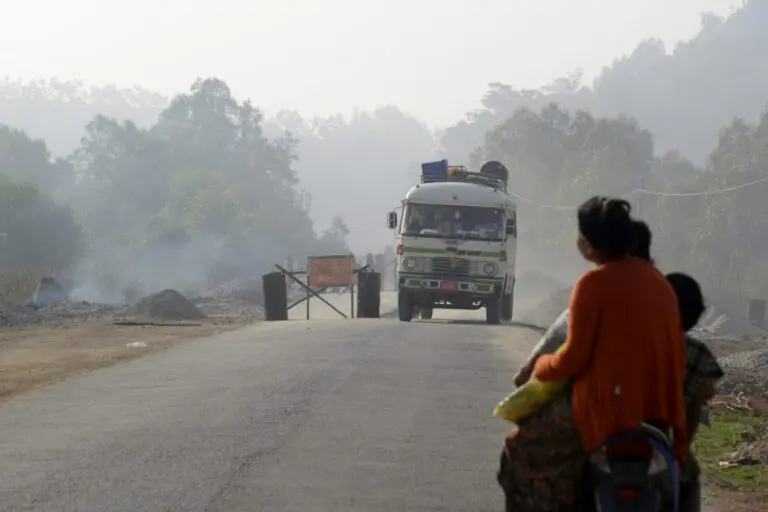
From Afghanistan to Venezuela, new research shows how roadblocks shape governance and everyday life in conflict contexts
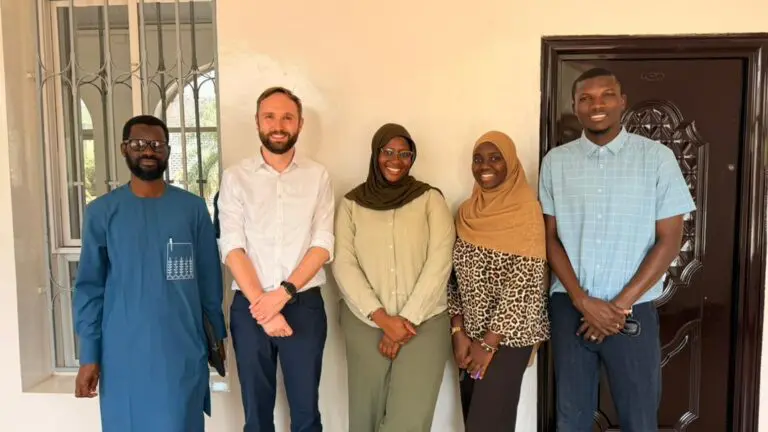
ICTD convenes stakeholder workshop on informal taxation in The Gambia
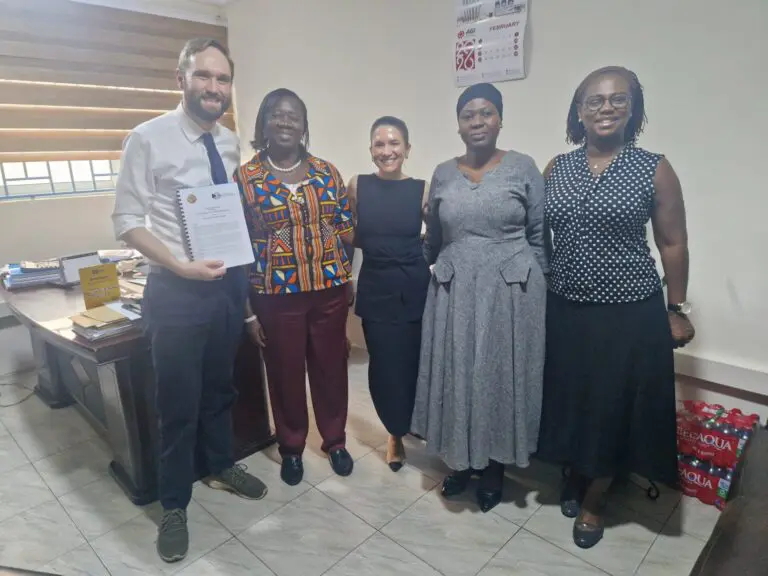
ICTD signs new partnerships for largest study of market taxation in Accra
In person
•
Timezone: America/New_York
Virtual
•
Timezone: Europe/London
Virtual
•
Timezone: Europe/London
Date: 30th May 2023, 13:30 – 14:30 London time Duration: 60 minutes Language: English only There are three puzzling features of Sub-Saharan African tax systems. First, tax administrations maintain records on vast numbers of small enterprises that actually provide no
Virtual
•
Timezone: Europe/London
Watch the Webinar Recording In the wake of the pandemic, developing and middle-income countries are facing increasing pressures to improve domestic resource mobilisation. Since many of these countries have large informal economies, increasing the tax contributions of the informal sector
Sign up to our Newsletter
Stay up to date with the latest articles, publications, events and more.