Research Theme
Informality and Tax
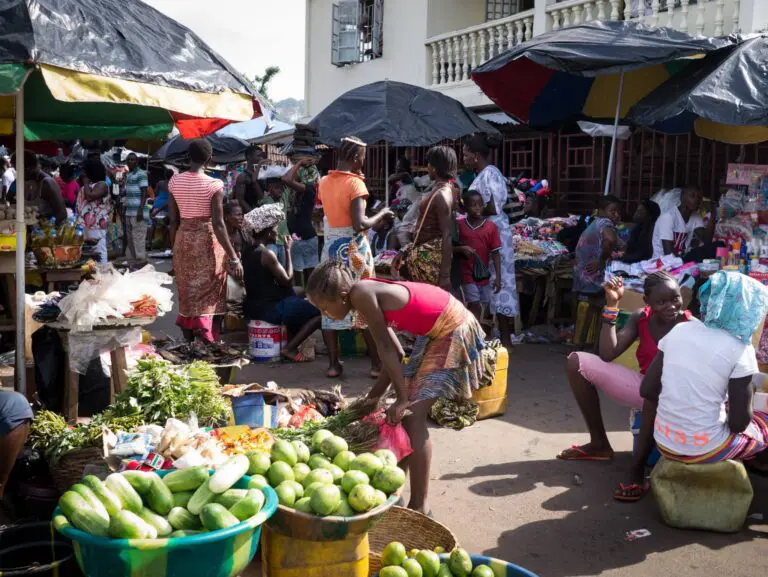
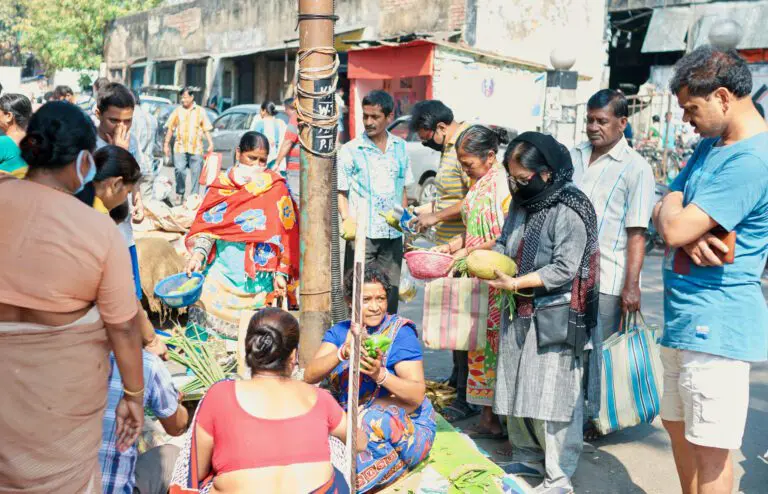
While research has historically focused on formal systems of taxation and user fees, there is mounting evidence of the importance of “informal” taxation for average taxpayers in much of Africa. While lying outside of statutory laws, the “tax-like” payments – which include informal user fees, informal contributions to community development projects, and informal payments to both state and non-state officials – impose a significant burden on many taxpayers, while playing a critical role in financing local public goods and services and shaping broader local governance.
Our research aims to map the extent, composition and experiences of these payments, and to understand their implications for livelihoods, fiscal decentralisation, service delivery and broader local governance reform. One strand of our work looks closely at taxation in fragile settings, examining the challenges, risks, and opportunities it presents for peacebuilding, state-building, and citizen engagement.
We have also established a Community of Practice on Informality and Tax, a global network of practitioners and scholars committed to improving both knowledge and policy on how tax authorities engage with informal economies.

Key Resources
Informality and Tax Library
The Zakat as a means of wealth redistribution: What role for the state?
While many economists and politicians have begun to talk seriously about using wealth taxes to raise government revenue and curb…
Informal Work and Auto-Entrepreneurship Laws in the Maghreb: What can Tunisia learn from Morocco?
Informal economies in North Africa have frequently captured public attention in recent years. They not only make up over half…

The inequity of informal financing of public education in Sierra Leone
Though education is a core duty of the state, public education in Sierra Leone is financed not only by the…
Unpacking Formalisation: The need for a new research agenda on taxation and the informal economy
ICTD Informality and Taxation blog series The ICTD’s Informality and Tax programme seeks to conduct, connect, and support novel research…
To fight Covid-19, only the formal economy is getting tax breaks. The informal economy may be asked to foot the bill

As the world grapples with the consequences of the COVID-19 pandemic, vulnerable workers in the informal sector in the global…
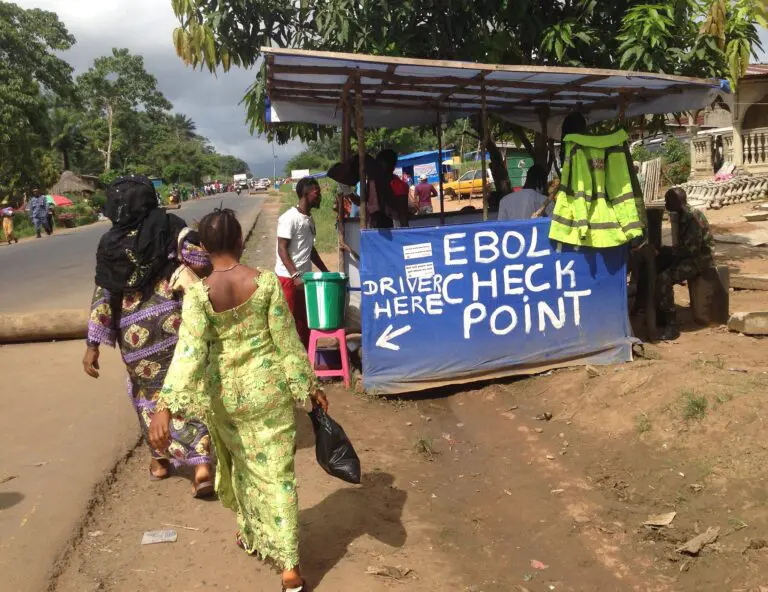
Fill the gaps, feel the pain: Insights from Sierra Leone on an epidemic’s impact on local taxation, public services, and the poor
With over 16,000 deaths globally and the number of cases growing each day, the calamitous impacts of the novel coronavirus…
Discussing fairer approaches to taxing the informal sector
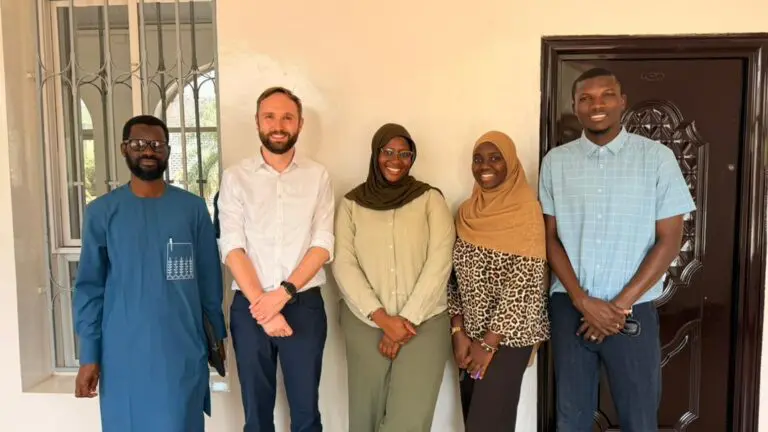
The first ATI–ICTD webinar on tax and informality brought together research, workers’ experiences, and The Gambia’s reform plans to discuss…
ICTD partners with ATI to advance evidence-based approaches to tax and informality
ICTD launches report on 15 years of research and the future of development finance
The International Centre for Tax and Development (ICTD) has officially released its major report, Taxing Smarter: Advancing Reform Through Research…
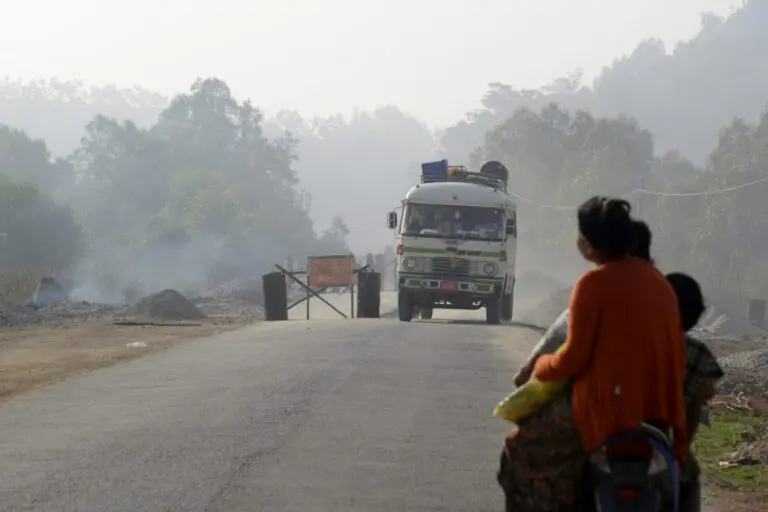
From Afghanistan to Venezuela, new research shows how roadblocks shape governance and everyday life in conflict contexts
ICTD convenes stakeholder workshop on informal taxation in The Gambia
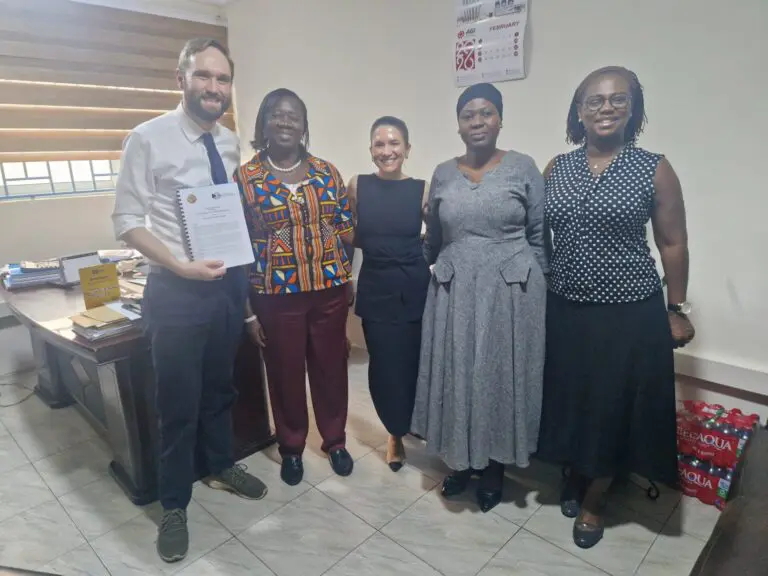
ICTD signs new partnerships for largest study of market taxation in Accra
•
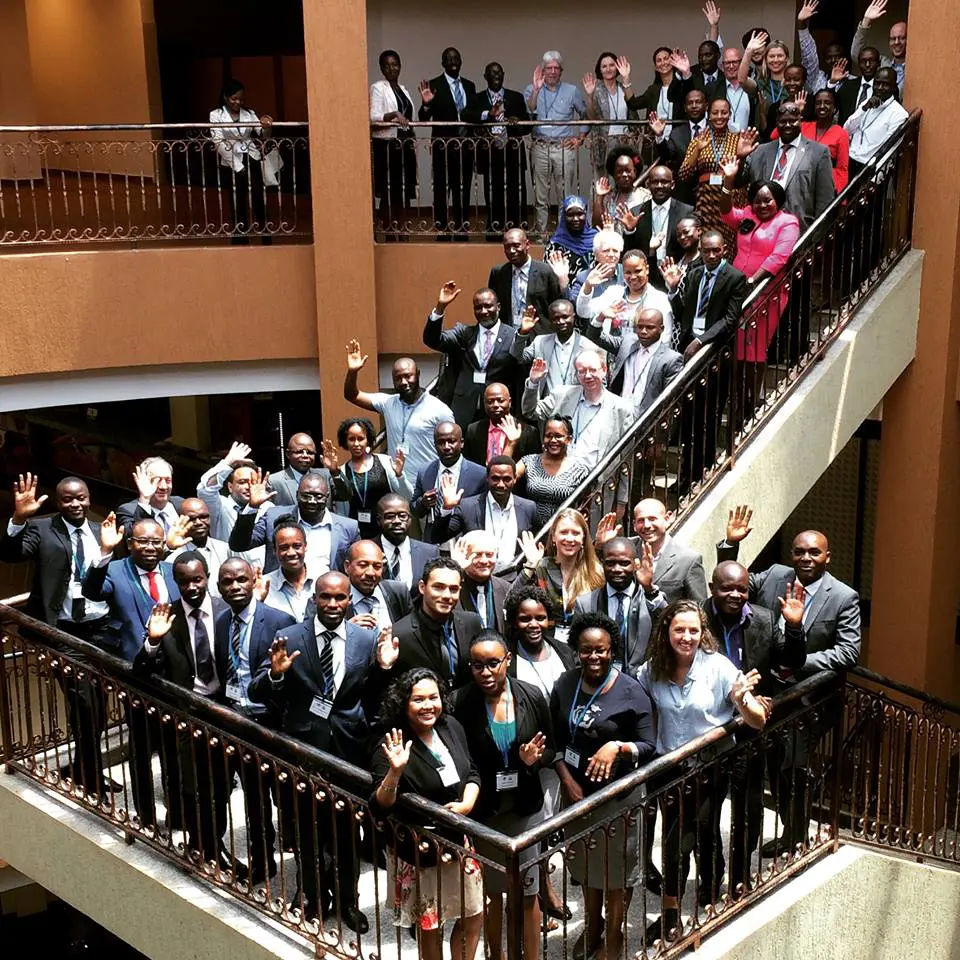
The ICTD hosted its 6th Annual Centre Meeting in association with the Uganda Revenue Authority. DAY 1 PRESENTATIONS (Monday, 16 October 2017) 1. Tax Treaty Policies for Developing Countries Catherine Ngina Mutava, ICTD Researcher in International Tax (Tax Treaties) &
•
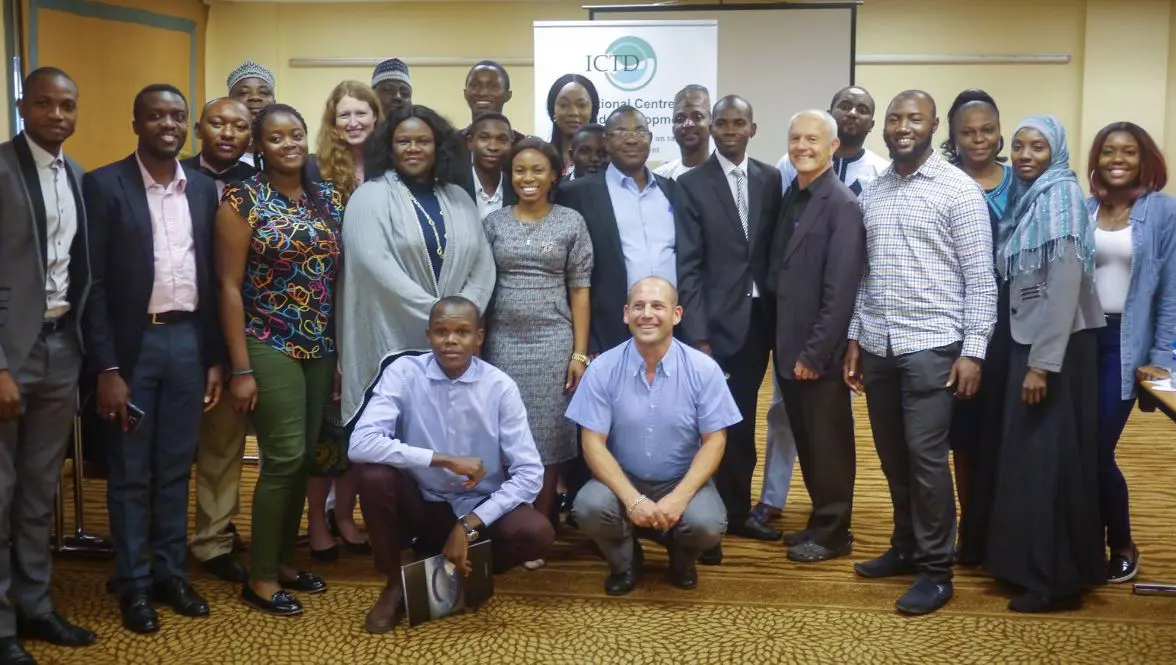
The ICTD launched the Nigerian Tax Research Network (NTRN) at a three-day event on the theme: “Revenue Beyond Oil Reliance.” Funded by the Bill and Melinda Gates Foundation, the NTRN’s purpose is to support the generation and exchange of tax
Sign up to our Newsletter
Stay up to date with the latest articles, publications, events and more.